









智领围术・医创未来
2025交叉学科研究生学术论坛“AI+围术期医学”
圆满落幕
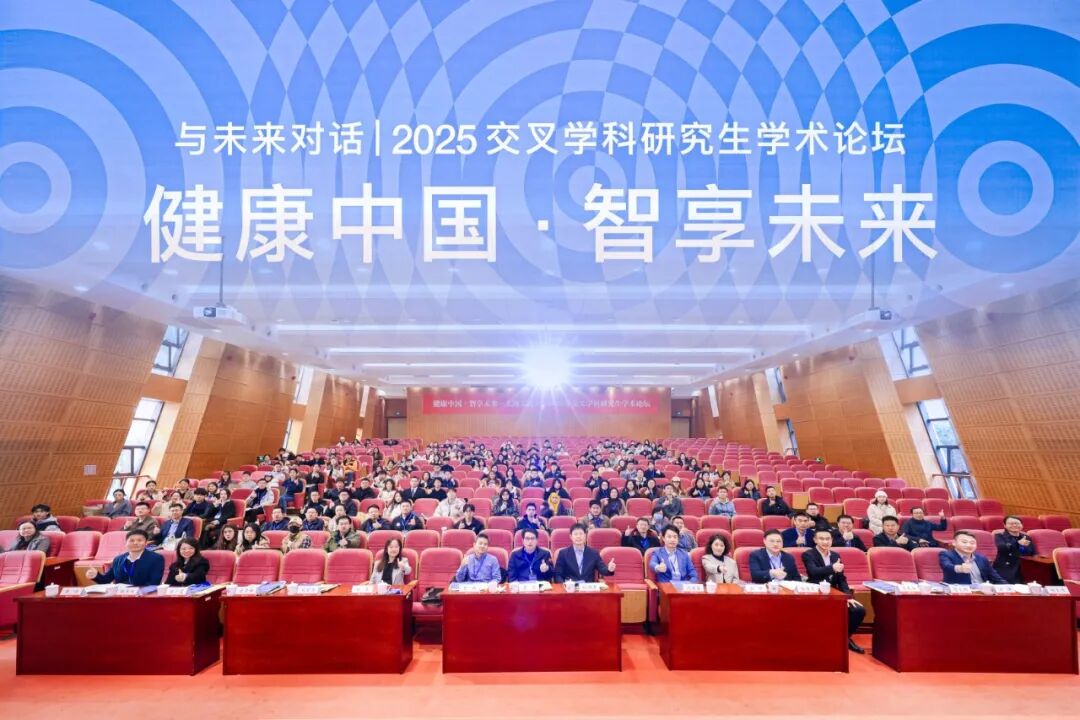
From November 22 to 23, 2025, the “Interdisciplinary Graduate Academic Forum on AI+ Peri operation period Medicine,” jointly organized by the Graduate School of Shanghai Jiao Tong University and co-hosted by SJTU Paris Elite Institute of Technology and Shanghai Sixth People's Hospital Affiliated to Shanghai JiaoTong University, was successfully held at SJTU.
As part of the “Healthy China · Smart Future — Shanghai Jiao Tong University 2025 Interdisciplinary Graduate Academic Forum” series, this event focused on medical-engineering convergence, attracting over a hundred renowned scholars and outstanding students from medical institutions and universities.
1.Opening Ceremony
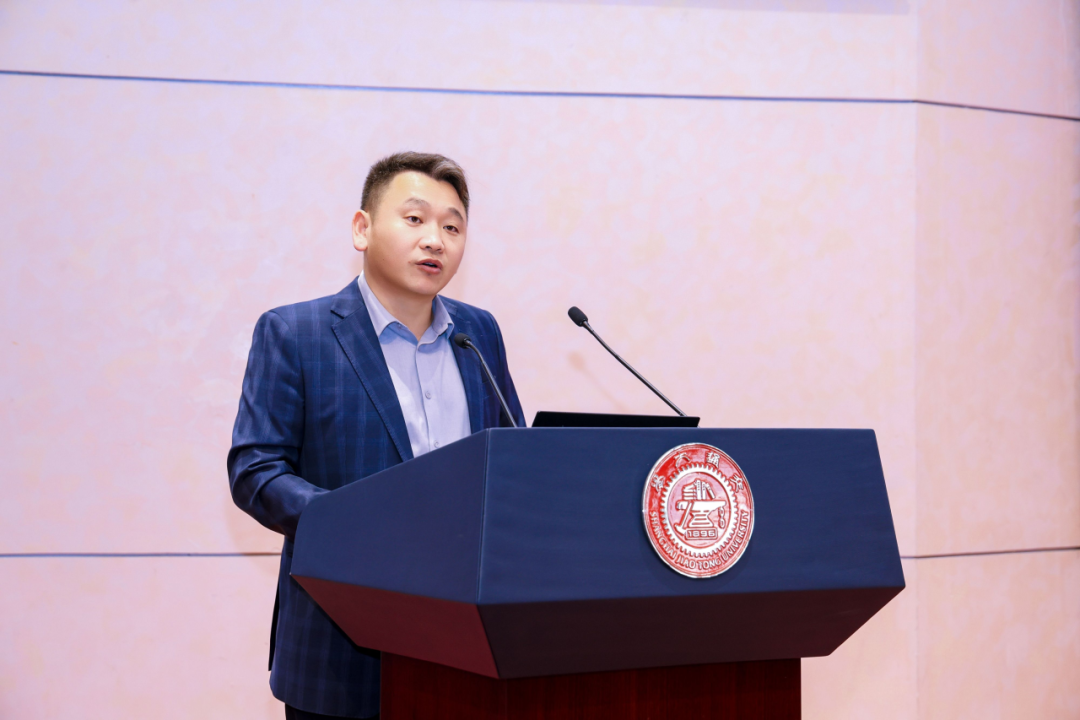
On the morning of November 22, Yang Dawei, Executive Deputy Director of the Degree Evaluation Committee Office at Shanghai Jiao Tong University, delivered an opening address at the Shanghai Jiao Tong University 2025 Interdisciplinary Graduate Academic Forum. He emphasized that this forum is dedicated to fostering new momentum for interdisciplinary development and pioneering new pathways for cross-disciplinary talent cultivation. He encouraged participating graduate students to fully leverage this platform to actively showcase research achievements, broadly draw cross-disciplinary insights, spark scientific inspiration, forge genuine friendships, and clarify future development directions.
Professor Yu Weifeng, Chair of the Chinese Medical Association's Anesthesiology Branch, and Professor Zhang Shaoting, CEO of SenseTime Healthcare and Dean of Shanghai Jiao Tong University's Qing Yuan Research Institute, delivered opening remarks as representatives of the Medical-Engineering Cross-Disciplinary Forum. This segment was chaired by Lu Jialiang, Vice Dean of SPEIT.
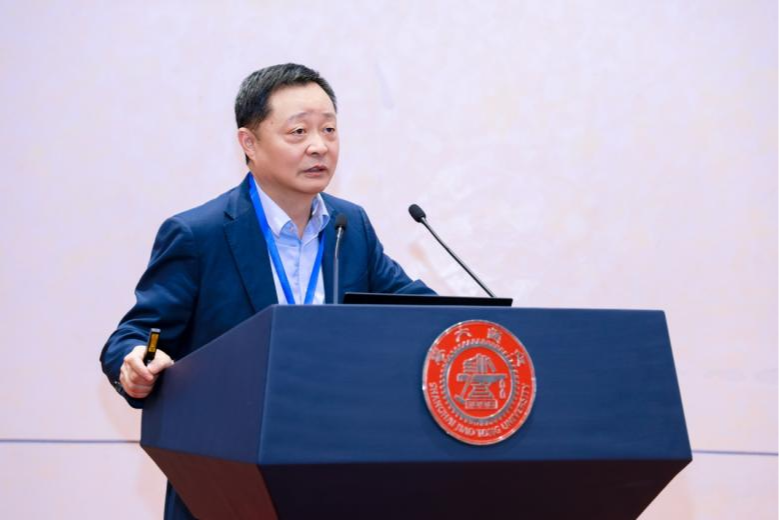
Yu Weifeng, in his presentation titled “AI and Humans Entering the Era of Coexistence,” highlighted from an anesthesiologist's perspective that human-machine collaboration has become the solution to breaking through the impasse posed by the lengthy training cycles, insufficient numbers of physicians, and the increasing number of high-risk surgeries performed on elderly patients. He emphasized that developing AI-anesthesia integration technology is crucial for enhancing perioperative patient safety and serves as a benchmark for hospital platform advancement. Addressing data silos and privacy protection challenges, Professor Yu called for building an intelligent interdisciplinary collaboration system. He advocated practicing the principle of “mastering oneself to harness tools, applying knowledge to benefit humanity,” leveraging AI assistance to achieve greater efficiency with less effort and usher in a new chapter of high-quality development.
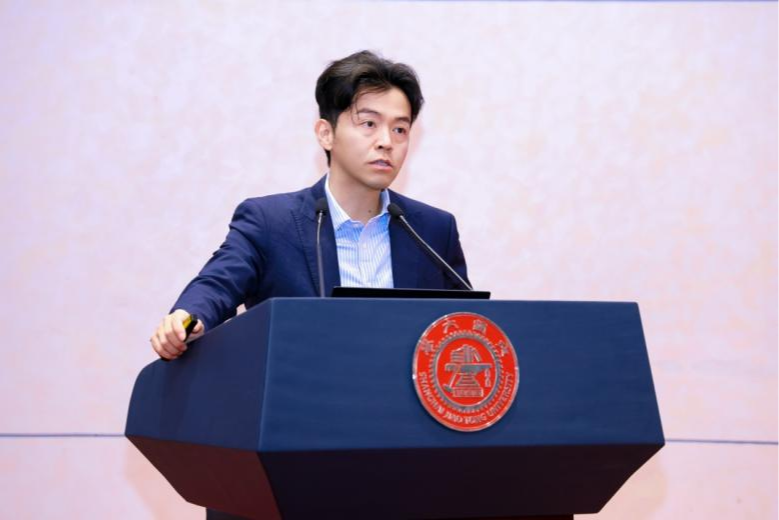
张少霆教授
Zhang Shaoting delivered a presentation titled “Multimodal Integration Paradigm in Healthcare: Full-Scene Diagnostic Innovation Driven by Foundation Models,” systematically introducing innovative achievements in clinical application-oriented multimodal medical image foundation models. By establishing China's largest medical big data training facility, the presentation demonstrated how data standardization and service openness drive the extensive application of the SenseCare Smart Diagnosis Platform across multiple surgical departments including hepatology, pulmonology, and pancreatology. Furthermore, the AI-powered diagnostic model reduced pathology workflow time from five days to one to two days, comprehensively advancing the digitization, intelligence, and standardization of diagnosis and treatment, making AI-driven healthcare accessible to all.
Additionally, Professor Wan Yi, Professor Yang Chaoyong and Professor Liu Haoyang delivered speeches on interdisciplinary research in environmental monitoring and embodied intelligence, respectively.
2.Breakout Sessions
This Forum established two parallel sessions: “Peri Operation Period Database Construction and Intelligent Decision-Making Transformation” and “AI-Empowered Precision Medicine and Medical Education in Peri Operation Period Care.” These sessions were co-chaired by Gong Helin, Xu Taoand and Zhang Hui.

龚禾林副教授
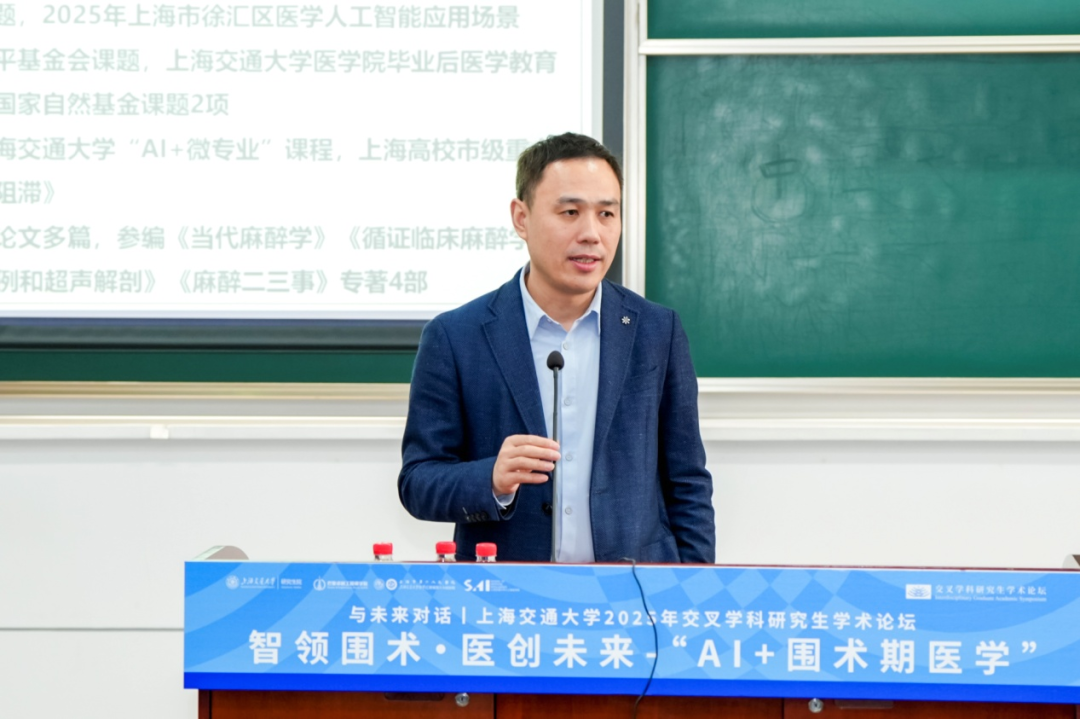
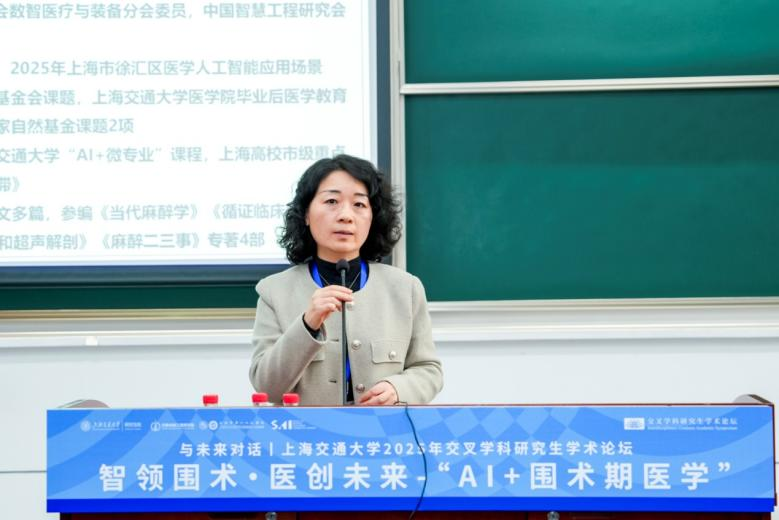
Professor Xiao Li from Beijing University of Posts and Telecommunications and Professor Li Hong from Xinqiao Hospital of AMU were invited to deliver presentations.
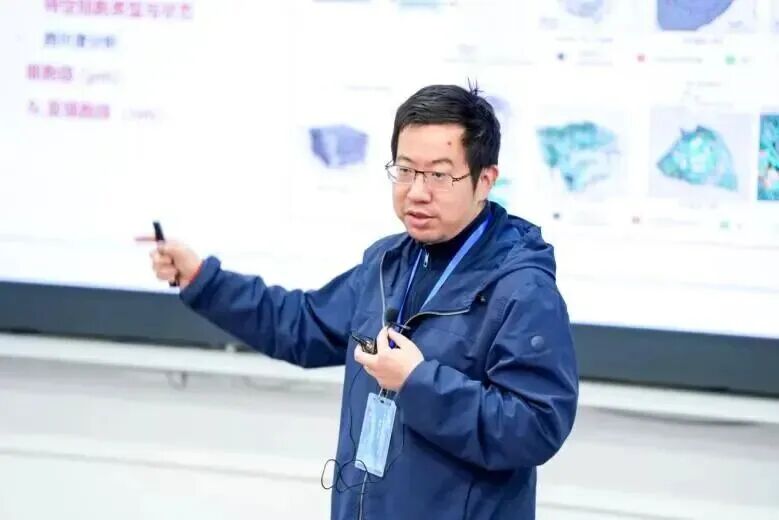
肖立教授
Professor Xiao Li presented three groundbreaking advancements by his team in AI-driven medical research in his report “AI-Driven Medical Innovation Research”: DeepOrganelle technology enables subcellular-scale quantification and digital reconstruction of organelles, establishing a new paradigm for electron microscopy image analysis. It has supported multiple research groups in publishing findings in journals such as "Cell Metabolism“ and ”Cell Proliferation“. The UniDCF deep learning framework integrates over 6,600 patients and 54,000 samples, constructing the largest and most clinically representative multimodal craniofacial dataset to date, surpassing existing state-of-the-art methods in geometric precision, structural integrity, and spatial accuracy; Concurrently, the team is actively pursuing reinforcement learning-based anesthesia strategy research, exploring pathways for optimizing anesthesia protocols. It highlights current model limitations in data quality and annotation standards, advocating for accelerated clinical translation through multi-center collaboration to chart the frontier direction for establishing a new paradigm of peri operation period intelligent decision-making.
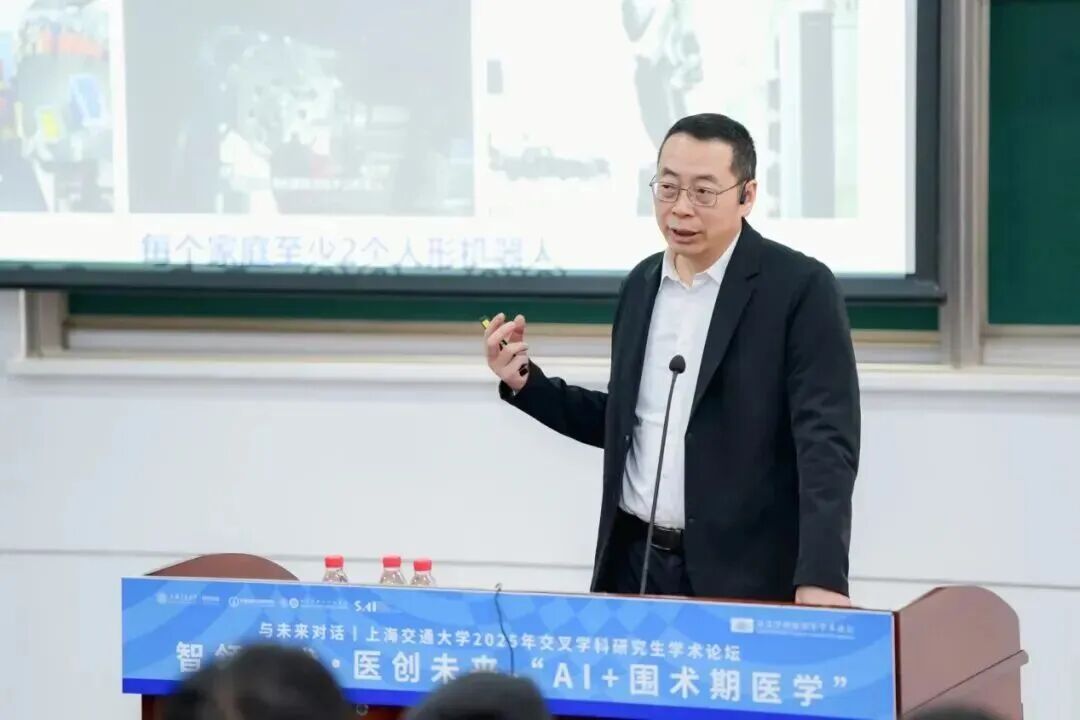
李洪教授
Li Hong pointed out in his report “Artificial Intelligence and the Development of Anesthesiology” that as artificial intelligence approaches human-level cognition, it is driving a comprehensive transformation of anesthesiology toward precision and intelligence: its models have surpassed the Turing test, demonstrating behavioral prediction and human-like comprehension capabilities. Leveraging intelligent monitoring and imaging algorithms, AI is advancing the visualization and individualized management of clinical anesthesia. Simultaneously, AI is profoundly reshaping fundamental research and educational paradigms through virtual scientists, robotic experiments, and VR instruction. Facing this transformation, he emphasized that human-machine collaboration represents the optimal future trajectory. Physicians must transition from operational roles to cognitive decision-making roles. Those adept at leveraging AI will gain a competitive edge, while others risk obsolescence.
3. Graduate Student Thesis Presentations and Showcase
Twenty-one graduate theses from institutions across the nation advanced to the presentation stage. These 21 talented young scholars delivered confident presentations grounded in rigorous research, proposing numerous innovative solutions and algorithmic models. Their work vividly demonstrated the immense potential of the younger generation of medical professionals and researchers to tackle major health challenges with pioneering spirit and innovation.
The event featured a distinguished panel of top experts renowned in medicine, mathematics, and interdisciplinary fields. The panel provided forward-looking and constructive guidance across multiple dimensions, including the innovation of research concepts, the feasibility of technical approaches, the translational value for clinical applications, and future research directions, thereby broadening the academic horizons of attendees.
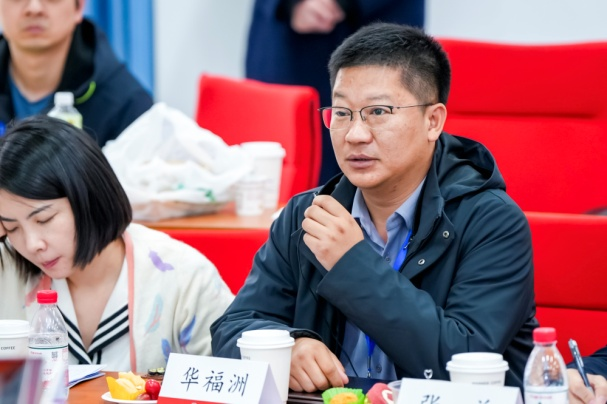
华福洲教授
(南昌大学二附院)
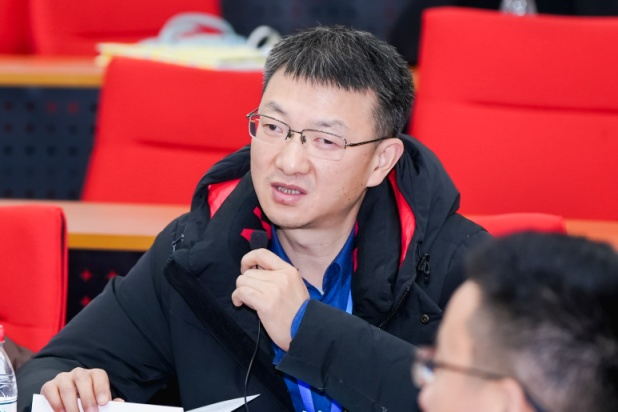
杨亮教授
(四川大学)
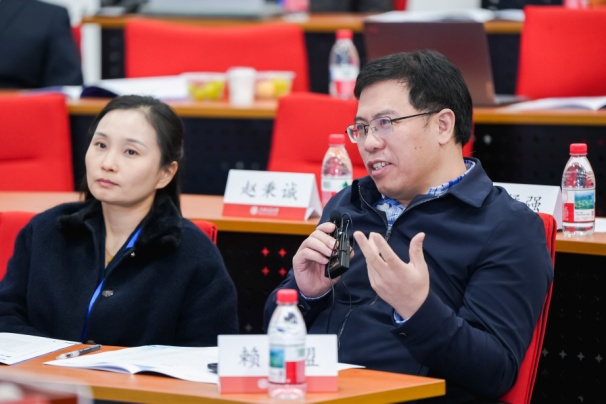
赖忠盟教授
(福建医科大学附属协和医院)
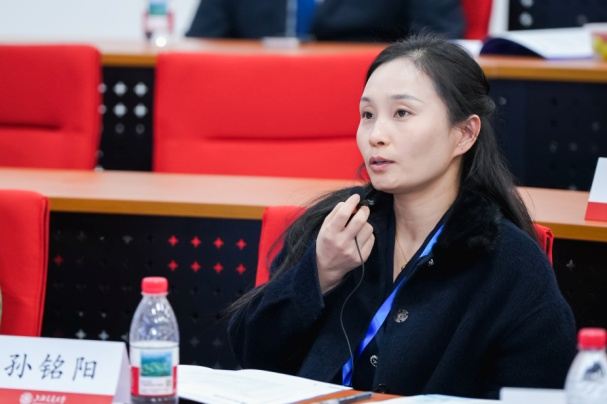
孙铭阳教授
(河南省人民医院麻醉与围术期医学科)
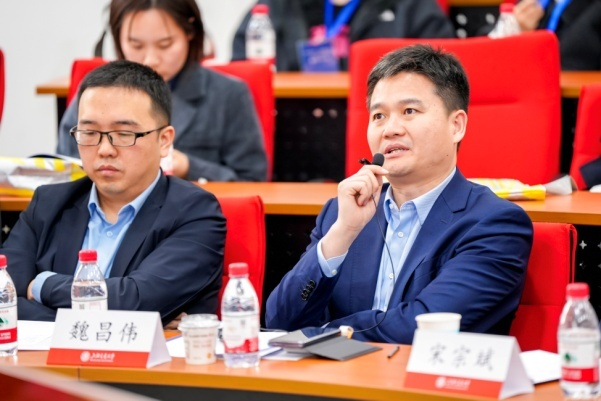
魏昌伟教授
(首都医科大学附属朝阳医院)
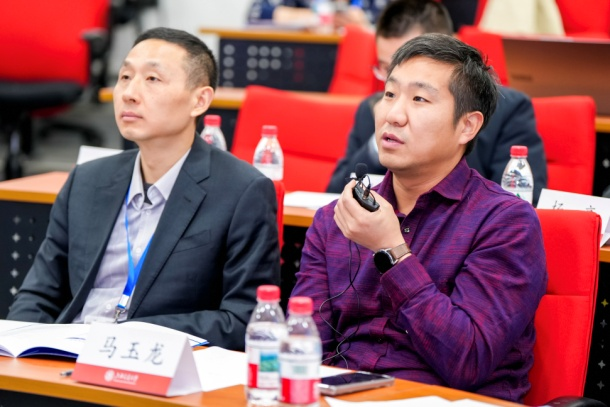
马玉龙教授
(北京301医院)
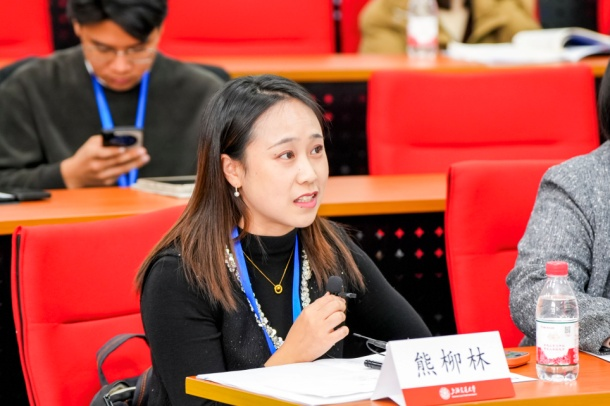
熊柳林教授
(遵义医科大学第三附属医院)
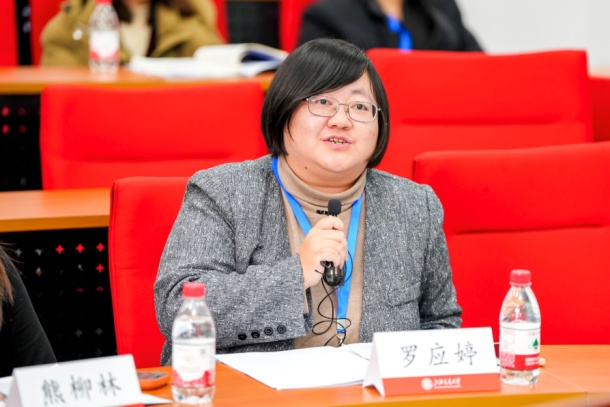
罗应婷教授
(四川大学)
吉宏俊副教授
(上海交大)
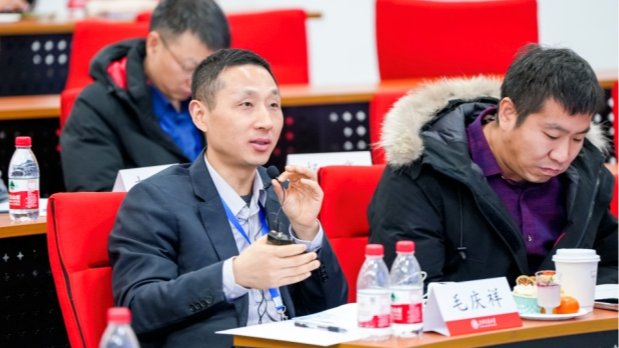
毛庆祥教授
(陆军军医大学大坪医院)
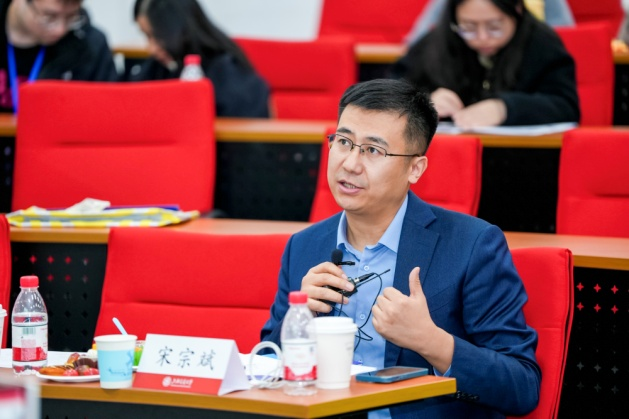
宋宗斌教授
(中南大学附属湘雅医院)
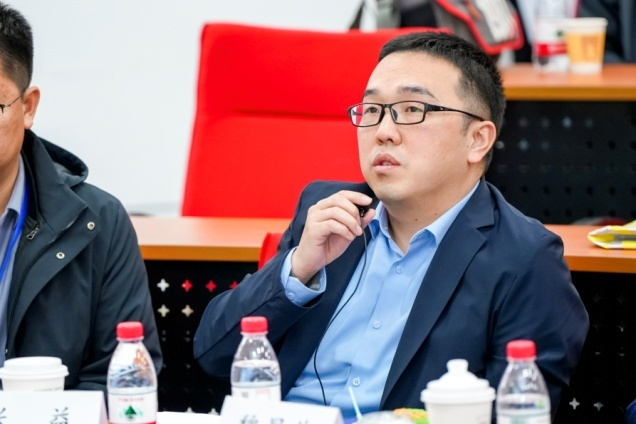
张益教授
(遵义医科大学附二院)
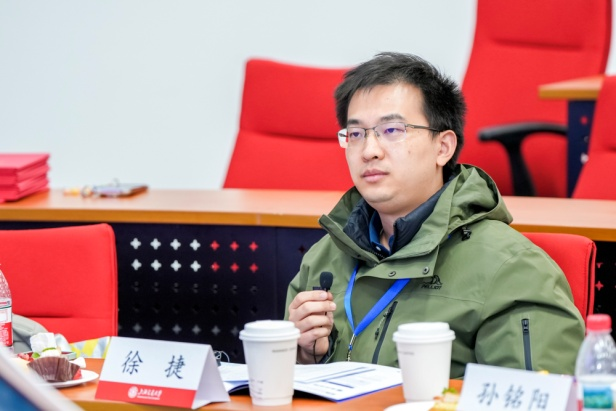
张容肇教授
(上海人工智能实验室)
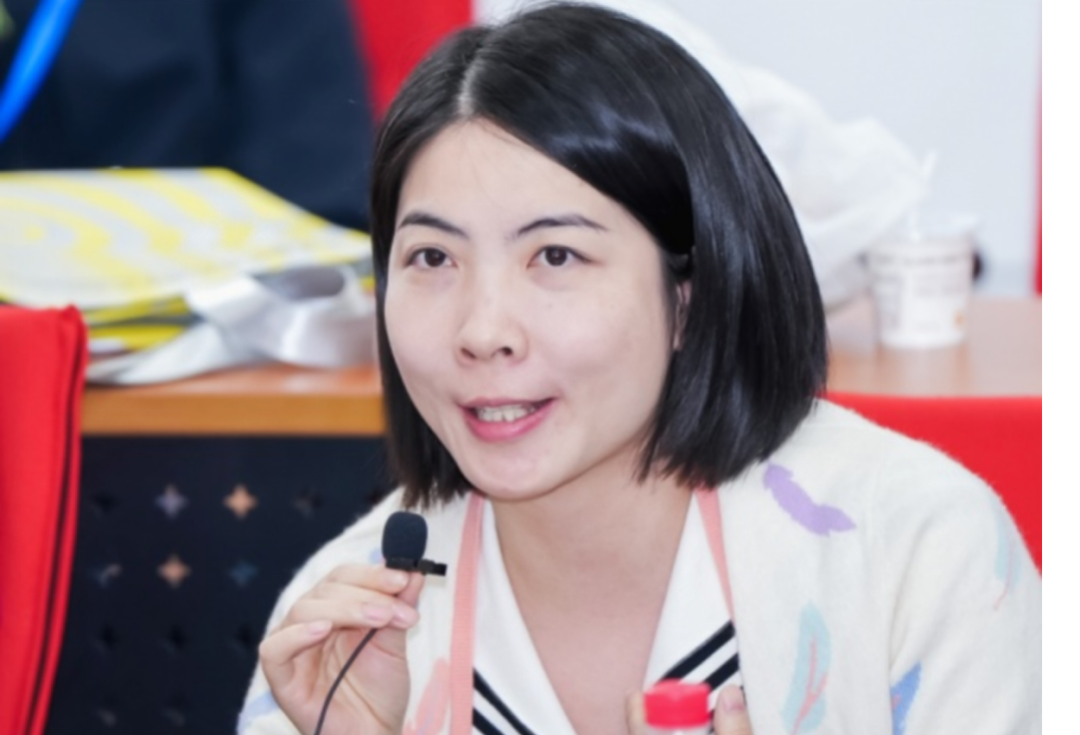
李燕教授
(哈尔滨医科大学附属第四大学)
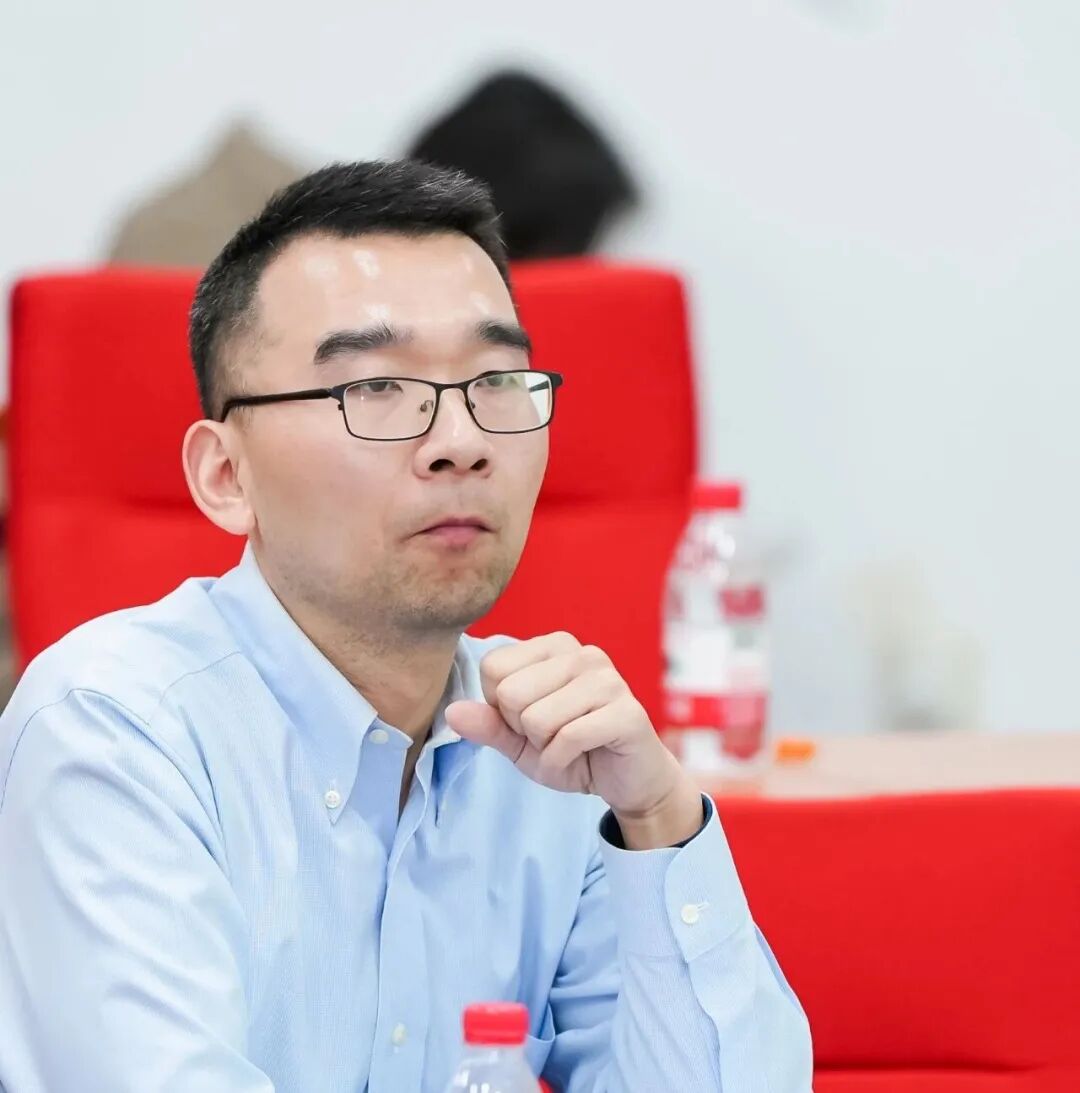
吉翔教授
(上海交大)
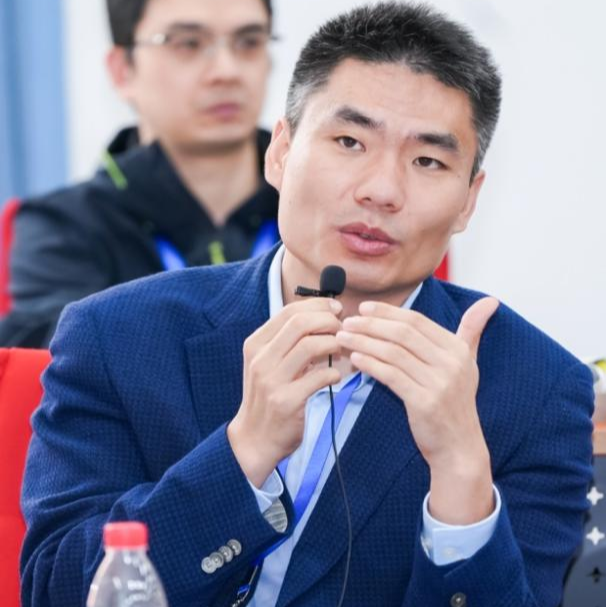
穆东亮教授
(北京大学第一医院)

评审团教授点评研究生论文
The forum featured a poster paper exhibition and competition. Based on expert evaluations, two “Best Paper Awards,” three “Best Poster Awards,” three “Best Presentation Awards,” and three “Outstanding Paper Awards” were selected to recognize students who demonstrated exceptional achievements in research outcomes and academic expression.
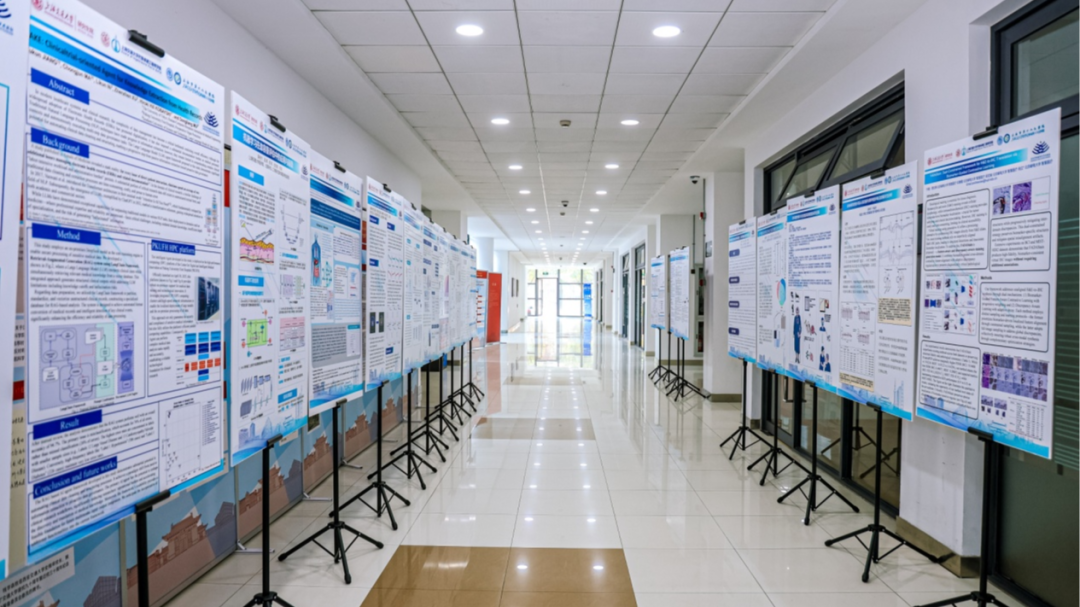
论文海报陈列
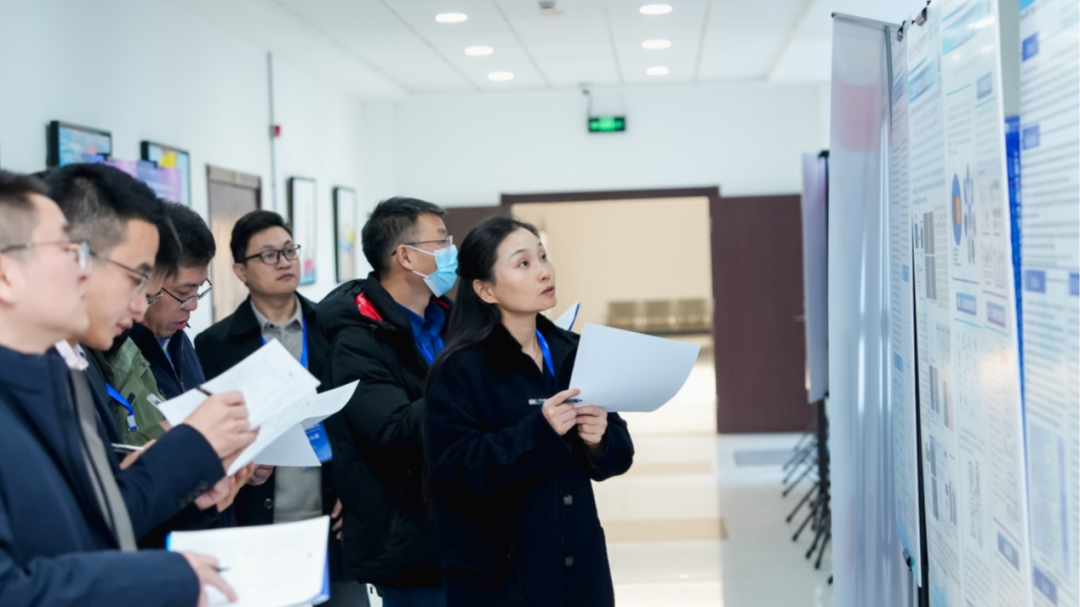
评审团为海报打分
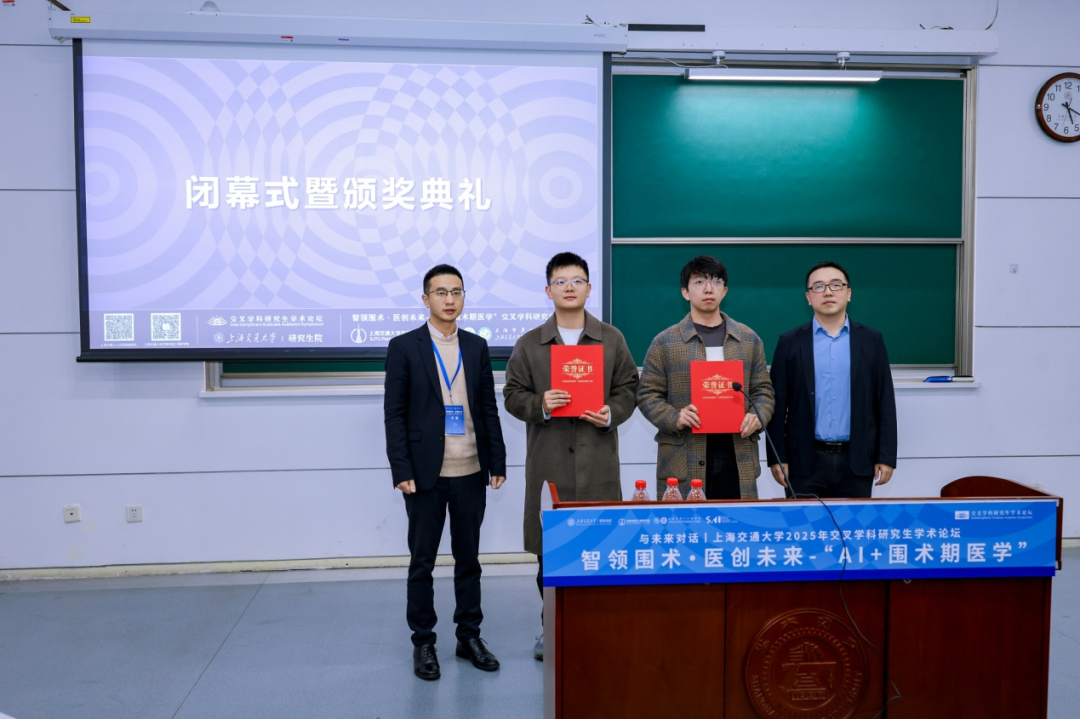
龚禾林、张益
为“最佳论文奖”获得者颁奖
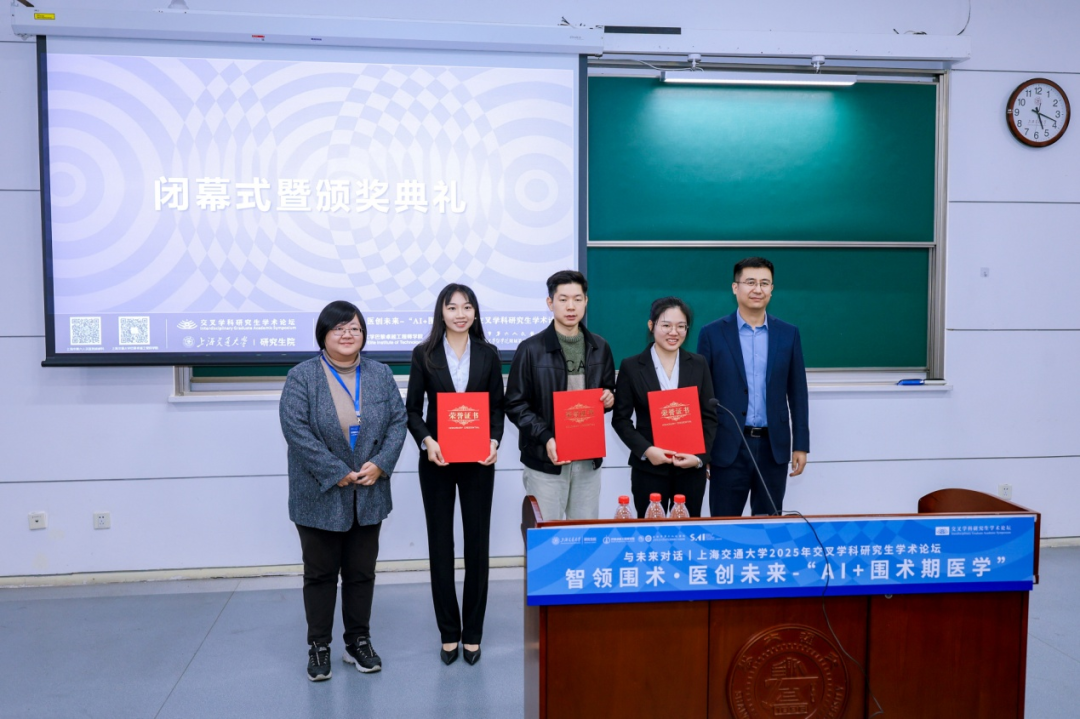
罗应婷、宋宗斌
为“优秀论文奖”获得者颁奖
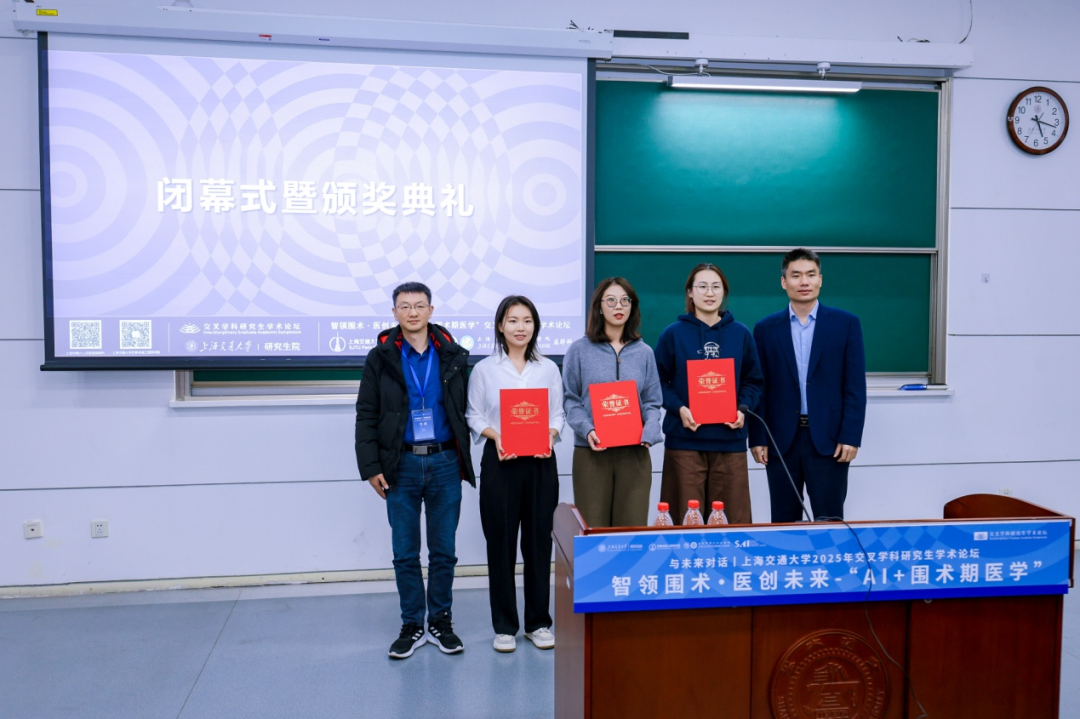
杨亮、穆东亮
为“最佳汇报奖”获得者颁奖
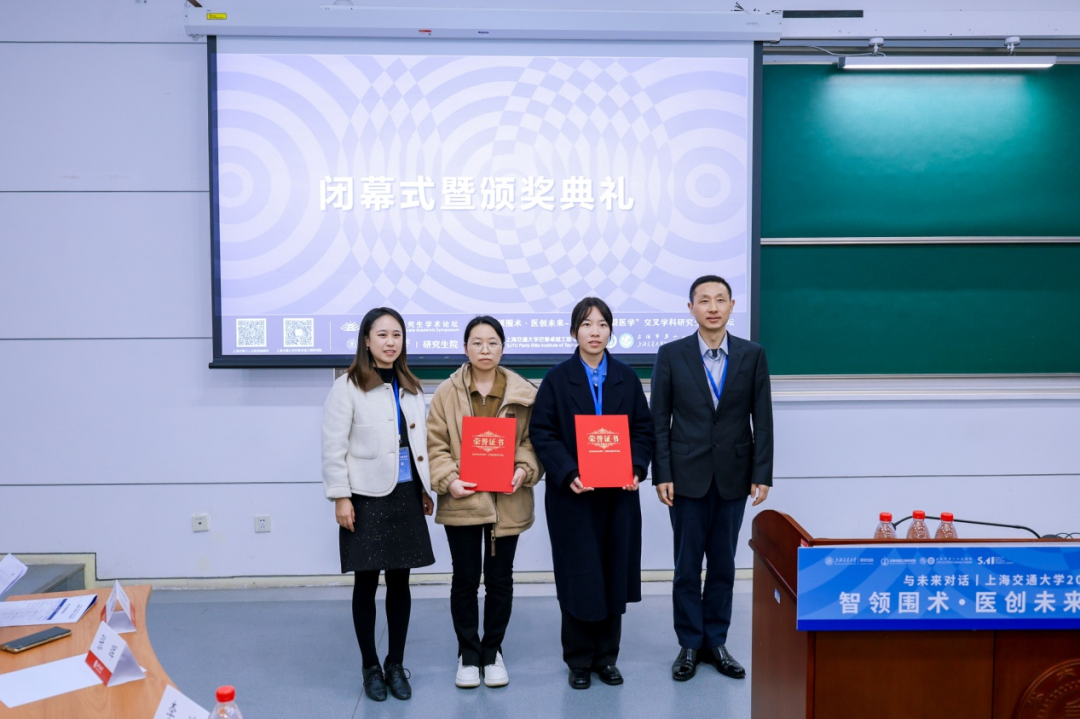
毛庆祥、熊柳林
为“最佳海报奖”获得者颁奖
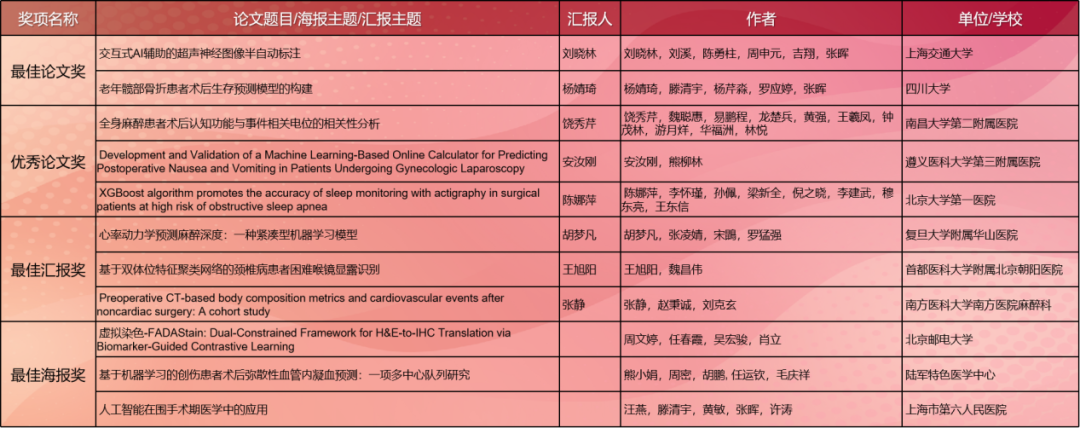
4.Building Academic Consensus and Establishing Collaborative Alliances
On the morning of the 23rd, Shanghai Sixth People's Hospital Affiliated to Shanghai JiaoTong University and SPEIT jointly convened a collaborative advancement meeting. The session featured in-depth discussions on the deep integration of artificial intelligence and medicine, collectively mapping out a blueprint for interdisciplinary cooperation.
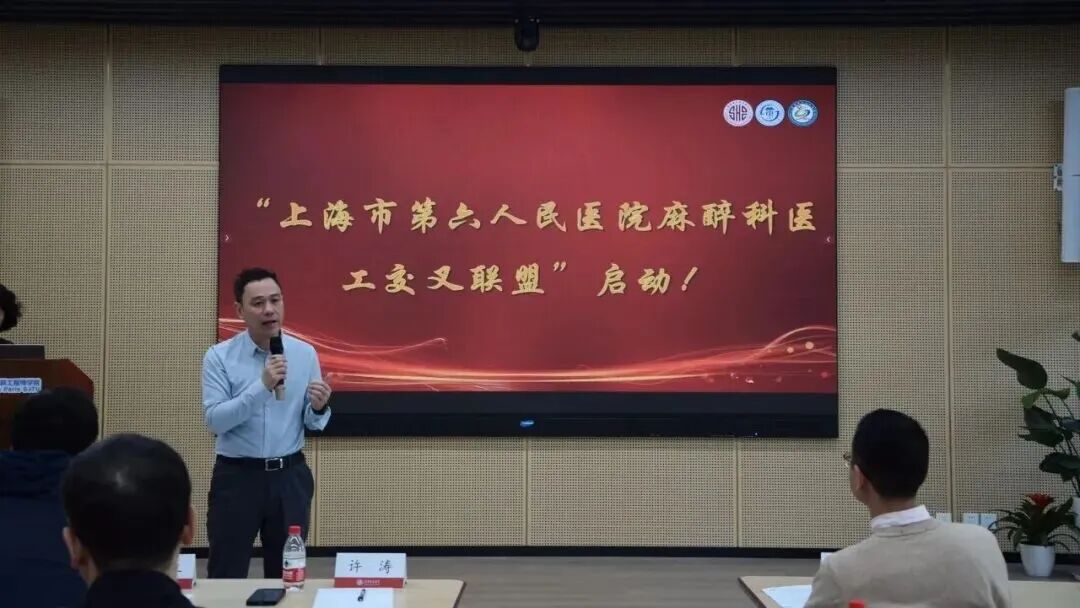
Xu Tao emphasized that establishing a broad collaborative alliance encompassing anesthesiology departments and external experts is crucial. It is necessary to foster regular exchanges and cooperation among all parties through stable collaborative mechanisms, thereby advancing interdisciplinary medical-engineering research to greater depths.
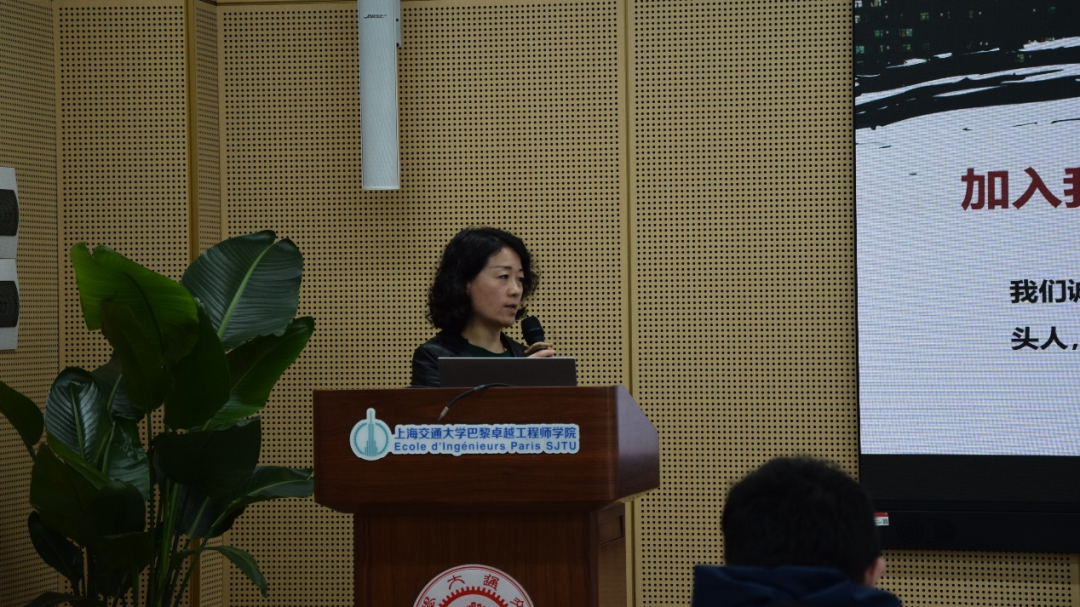
Zhang Hui stated that this forum serves as a concrete manifestation of actively responding to and implementing national policies, while also showcasing the trend of deep collaboration between universities and medical institutions in interdisciplinary fields.
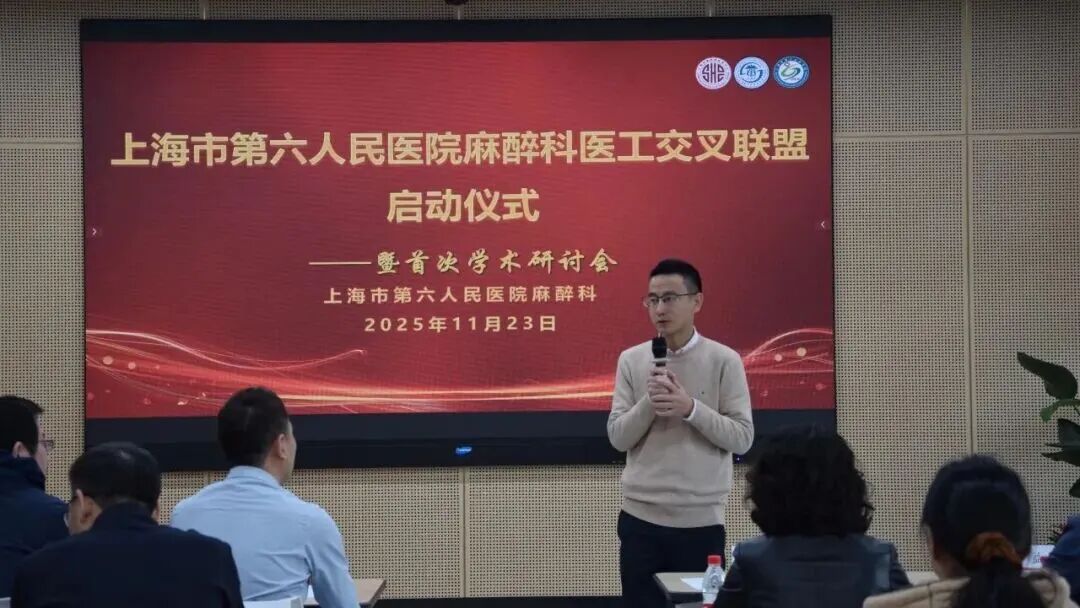
Gong Helin stated that the alliance framework will be leveraged to organize regular meetings and academic exchanges, promoting in-depth collaboration among research teams and fully unlocking the potential value of existing research outcomes.
Subsequently, Yao Jun, Teng Qingyu, Chen Zheng, and Wang Yan presented their ongoing interdisciplinary medical-engineering research projects.
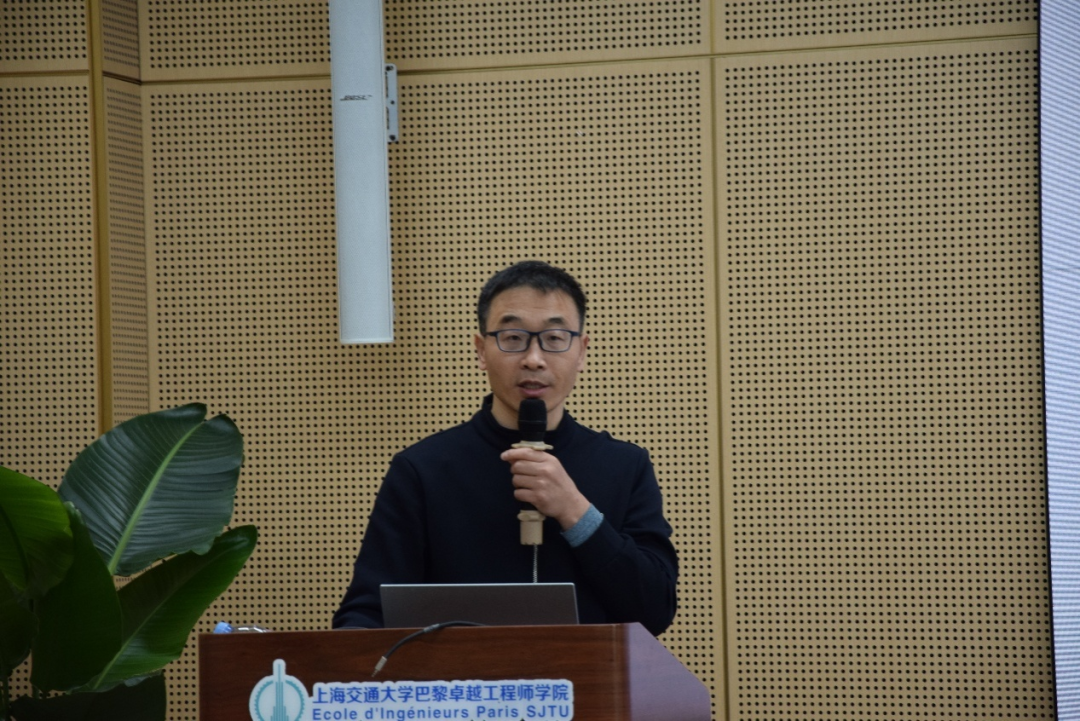
姚军医生
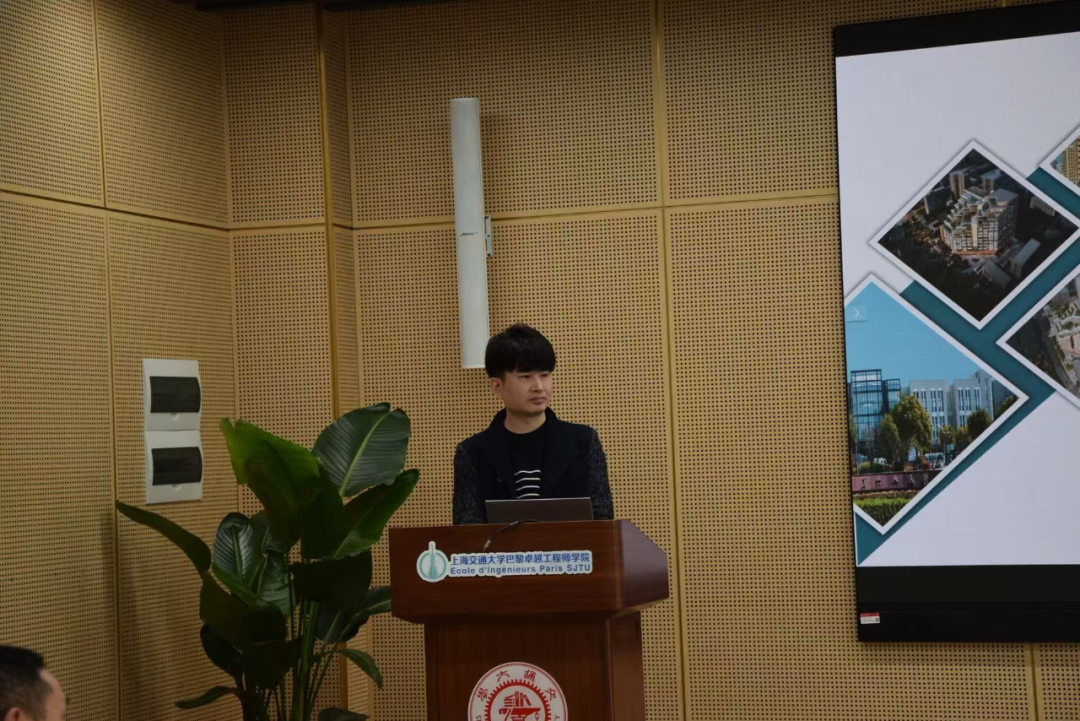
滕清宇医生

陈征医生
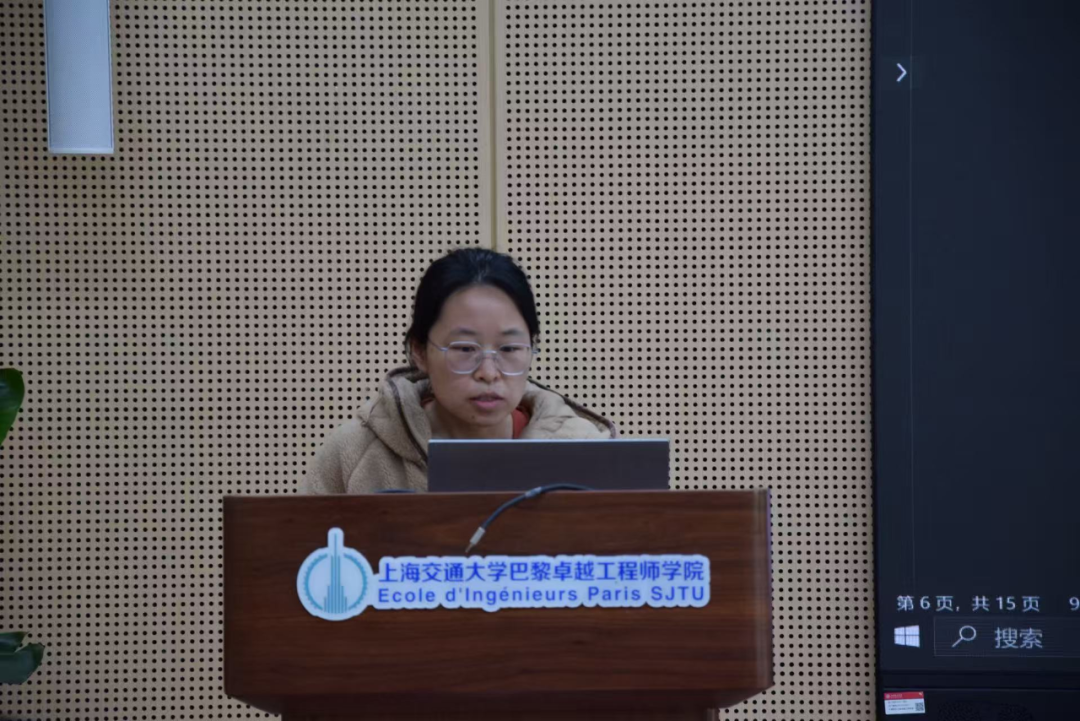
汪燕医生
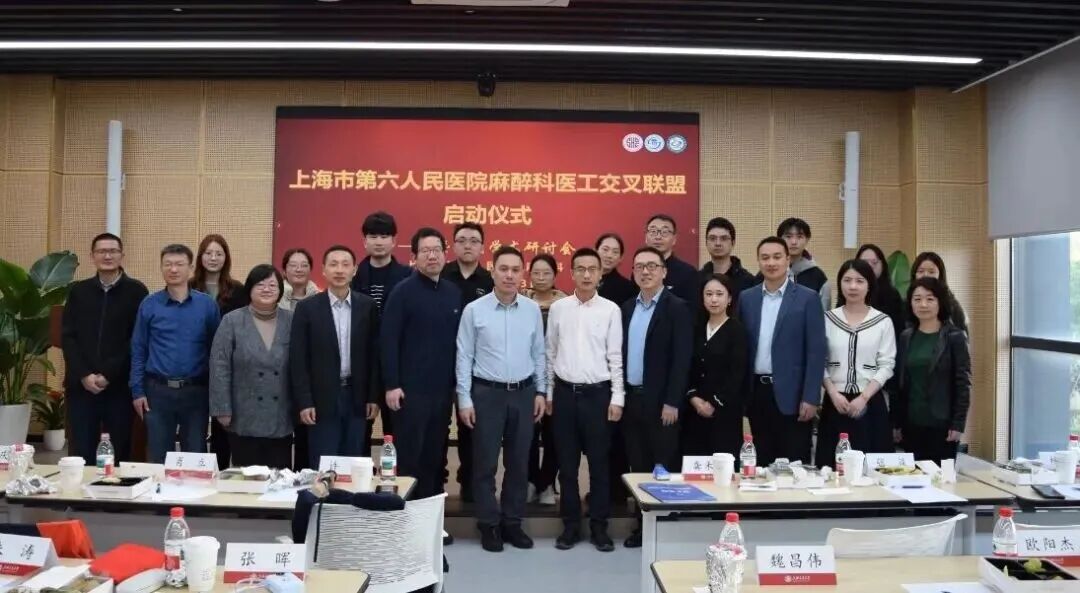
The two-day forum concluded successfully with the closing of the launch meeting for the Medical-Engineering Interdisciplinary Alliance of the Department of Anesthesiology at Shanghai Sixth People's Hospital. Leveraging Shanghai Jiao Tong University's strengths in interdisciplinary development, the forum closely aligned with the strategic demands of the “Healthy China” initiative and cutting-edge academic frontiers. It successfully bridged the computational power of artificial intelligence with the clinical capabilities of peri operation period medicine, establishing an exchange platform that combines academic rigor with practical value. The event showcased the boundless potential of young scholars in the field of health and wellness.