

CN FR EN
  • About
  • Academics
  • Research
  • Enterprise
  • Admission
  • Campus
Majors

SPEIT offers three engineering majors: Information Engineering, Mechanical Engineering, and Energy and Power Engineering. Additionally, a French major is available at the undergraduate level.

Information Engineering
Code: 080706H

The program aims to cultivate high-end technical and application-oriented talents in the fields of information technology, computer science, and data science. It offers a foundational curriculum focused on mathematics and statistics, computer science, and science and engineering, a core curriculum centered on communication and network technology, data science, and artificial intelligence, and an advanced curriculum guided by big data intelligence, smart connectivity, AI empowerment, and cybersecurity. Complemented by training and practice in soft sciences such as intellectual property, innovation management, and engineering culture, the program focuses on equipping students with a solid foundation in the basic theories and professional knowledge systems of the information and communication field. It also ensures they gain a deep understanding of the latest advancements, development trends, and applications in this field both domestically and internationally, thereby enhancing their problem-solving and innovation abilities. Students will be proficient in English and French, possess cross-cultural communication and management skills, and have a strong sense of social responsibility.

Collaborating Platforms:

  • SJTU Artifical Intelligence Institute
  • SJTU Key Laboratory of System Control and Information Processing, Ministry of Education
  • SJTU Collaborative Innovation Center of Future Media Networks
  • Information Processing and Communication Laboratory,Telecom Paris

01
Mechanical Engineering (Bachelor, Master)
Code: 080201H

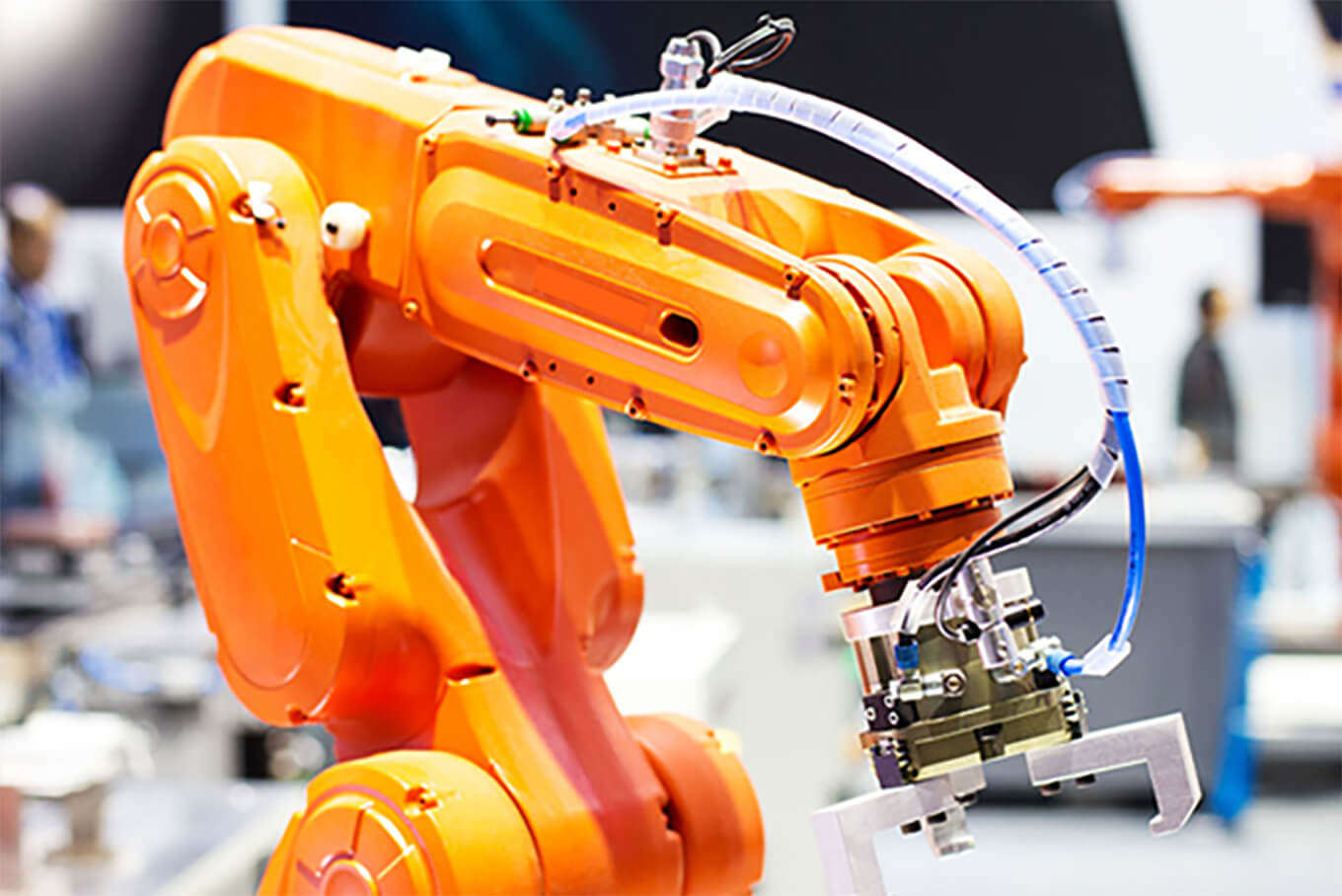
Cultivate high-end technical and application talents in mechanical engineering for Industry 4.0. The courses cover multi-disciplinary professional knowledge of machinery, control, materials, etc. The basic course group with mathematics, physics, chemistry and engineering sciences as the core is set up, and the professional course group with mechanical design and high-performance simulation computing as the core is established. A cutting-edge course group oriented on control, digital intelligent manufacturing, new material processing and manufacturing. In addition to professional courses, in conjunction with economic management and cultural courses, English and French courses, students are trained to have an international perspective and excellent communication and management skills, and become outstanding engineers in the future.

Collaborating Platforms:

  • State Key Laboratory of Mechanical Systems and Vibration

  • Shanghai Key Laboratory of Networked Manufacturing and Enterprise Informatization
  • Shanghai Key Laboratory of Digital Manufacturing of Complex Sheet Structure
02
Energy and Power Engineering Major
Code: 080501H

This program is dedicated to nurturing high-caliber interdisciplinary talents for key domains including energy conversion and utilization, energy efficiency management and optimization, as well as clean and smart energy. It equips students with systematic mastery of cutting-edge artificial intelligence technologies, empowering them to spearhead the intelligent transformation of energy systems.

The curriculum framework is structured into three core tiers:

• Foundational Courses: Centered on mathematics, physics, chemistry and systems engineering, laying a rigorous theoretical groundwork for advanced studies.

• Professional Core Courses: Focusing on heat transfer, fluid mechanics, new energy technologies and carbon capture, utilization and storage (CCUS), building specialized expertise in core energy engineering disciplines.

• Forward-Looking Interdisciplinary Courses: Deeply integrated with AI applications, covering areas such as engineering scientific machine learning, digital twin-driven smart energy system simulation and AI-enabled carbon neutrality technologies, keeping students at the forefront of industry innovation.

Through project-based practical training courses, students develop hands-on capabilities in energy big data analysis, intelligent control algorithm design and system optimization. These competencies prepare them to grow into future leaders in critical fields including clean power generation, advanced energy storage, carbon management and smart grid development.

Beyond scientific and technical courses, the program incorporates modules in economics, management and humanities, along with bilingual language training in English and French. It also provides extensive opportunities for international academic exchanges and corporate internships. Together, these components develop students’ solid professional innovation skills, global perspectives, and excellent communication and management capabilities, shaping them into outstanding engineering elites for the world’s evolving energy challenges.

Research directions include: 

Efficient utilization of renewable energy, hydrogen and clean energy, carbon capture and storage, controlled nuclear fusion, smart energy, and intelligent grids.

Collaborating Platforms:

  • Institute of Advanced Energy and Powertrain Technology
  • Institute of Fuel Cells
  • Institute of Engineering Thermophysics
  • School of Nuclear Science and Engineering
  • Engineering Research Center of Solar Power and Refrigeration of Ministry of Education
03
French (Bachelor)
Code: 050204H

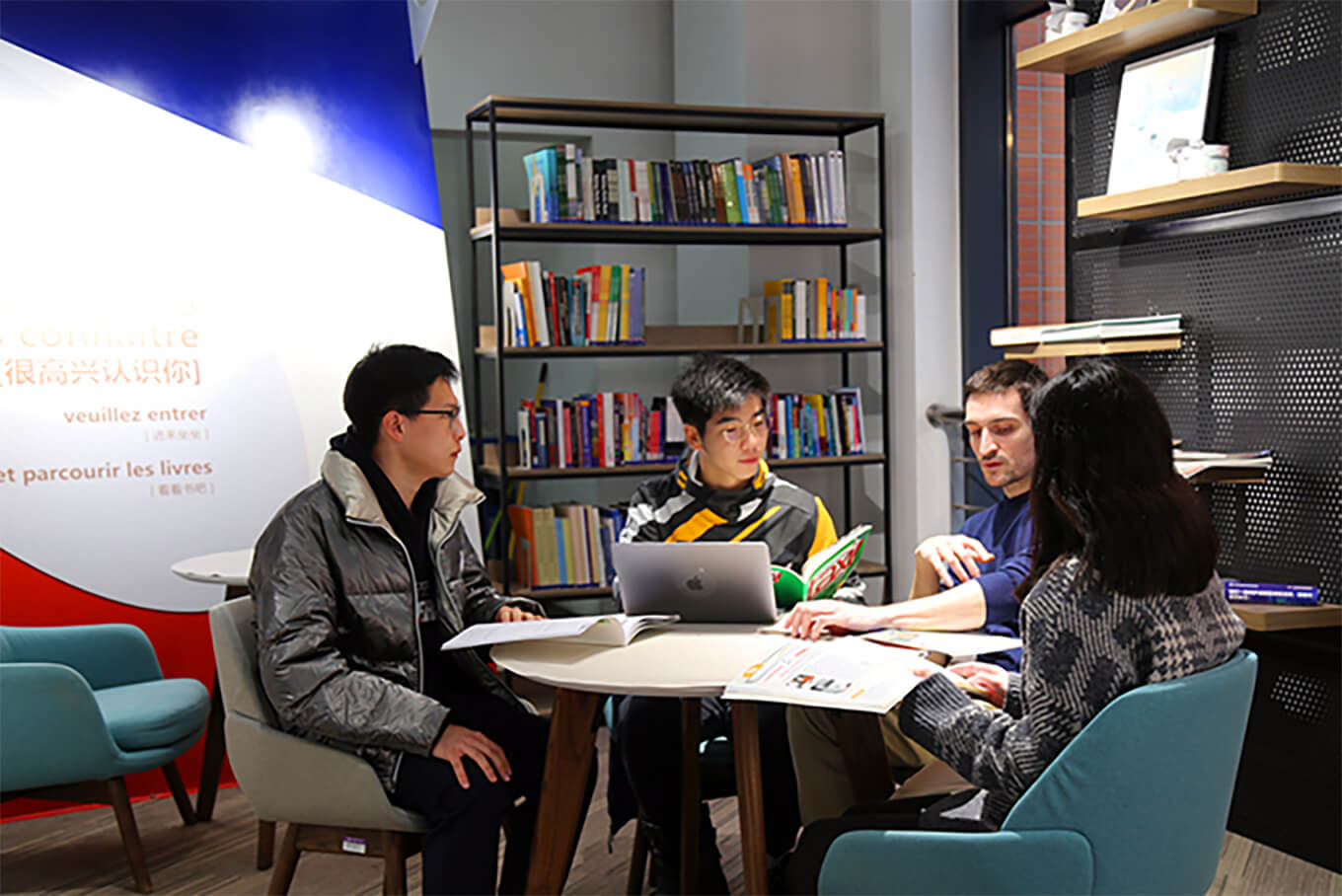
The programme for French language learning of Shanghai Jiao Tong University (SJTU) is based on SPEIT language curriculum. SPEIT meets the demand of the society for non-English foreign language specialists by implementing the educational philosophy of value promotion, knowledge exploration, capacity building and character development. With SPEIT’s French instruction as a result of its Chinese-French joint educational endeavors, students can choose one from three engineering programmes (information engineering, mechanical engineering, and energy and power engineering) as an academic secondary programme while studying the French language as well as cultural and social sciences courses. Hence, while meeting the goal of nurturing conventional language specialists, this would help develop interdisciplinary French language specialists who have not only strong linguistic and literary skills but the expertise in engineering, management and international communication, giving SPEIT the unique edge of developing French language specialists in science and technology application.

04