



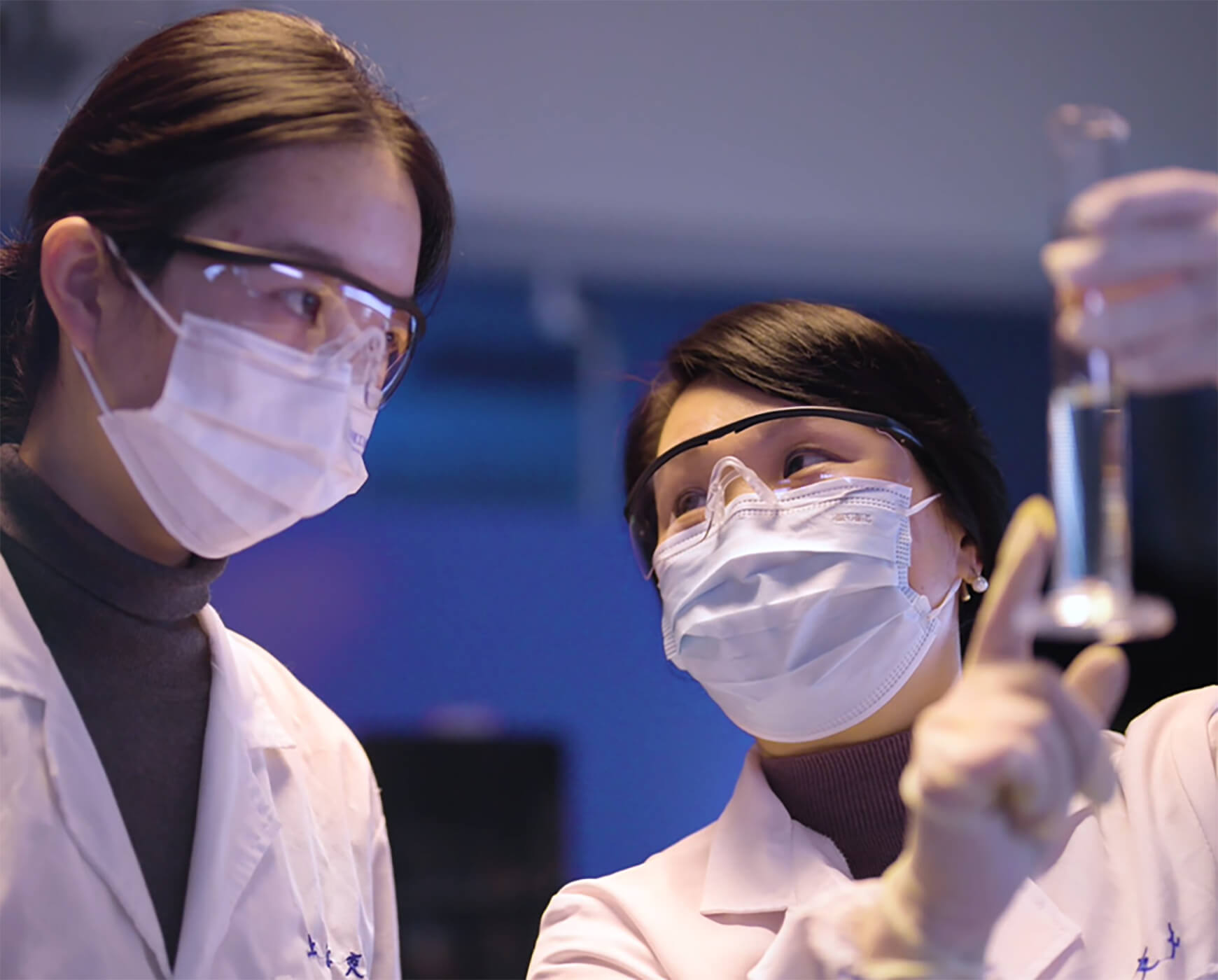






SJTU Paris Elite Institute of Technology and the Reactor Engineering Institute of Nuclear Power Institute China have joined forces to tackle critical technological challenges in the intelligent upgrading of China's nuclear industry. Through three years of exploration, SPEIT and NPIC have innovatively developed a university-industry collaborative curriculum, establishing a new ecosystem for collaborative education driven by “real scenarios, real data, and real problems.” This initiative has become a benchmark example of industry-education integration.
01
Three Years of Dedicated Effort Yields Impressive Results
The “Project Capsule” course, jointly developed by SPEIT and NPIC, serves as an advanced engineering practice module deeply integrated into the graduate curriculum of “Frontiers in Information and Communication Project 2.” The course is led by Professor Lu Jialiang, Vice Dean of Academic Affairs of SPEIT, and Professor Gong Helin. Since its launch in 2023, both parties have progressively established a closed-loop educational mechanism: “industry poses challenges—university takes on projects—students solve problems—joint evaluation.” This approach enables students to confront real-world industrial pain points, hone their engineering competencies through practical problem-solving, and achieve alignment between academic content and industry frontiers.
1
2023:
SPEIT and NPIC launched the first two “Project Capsules,” driven by engineering needs, initiating a joint university-industry exploration of problem-solving education reform. All projects were completed to high standards, successfully passing dual evaluations under Shanghai's Graduate Education Reform Project and the Excellence in Engineering Education Reform Project, laying a solid foundation for future collaboration.
2
2024:
Focusing on artificial intelligence and advanced algorithms, the course expanded to seven “project capsules,” all of which were successfully completed. After two years of development, a mature industry-education integration model has taken shape, yielding one invention patent, one software copyright, and three academic papers. The program provided NPIC with three practical software packages and one engineering problem solution, directly feeding outcomes back into industry.
3
2025:
Aligning with hotspots in large-model engineering applications, this course focuses on four more targeted “project capsules.” With clearer objectives and deeper research, students demonstrate heightened enthusiasm for tackling challenges. Notably, an agent system based on large language models was deployed at NPIC, where its application demonstrated significant impact, sparking widespread discussion among enterprises and elevating effectiveness to new heights.
02
Real-World Training with Expert Review: Highlights in 2025
01
Real-world practice yields real results, with tangible outcomes delivered
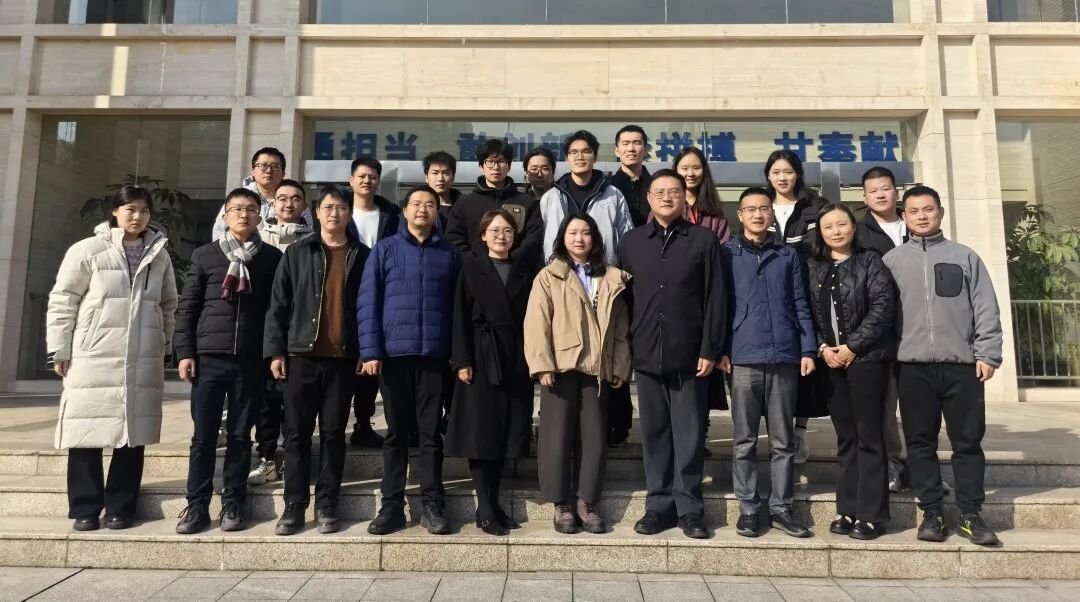
In late December 2025, Lu Jialiang, Vice Dean of Academic Affairs of SPEIT, led a team to NPIC for on-site practical training. Within NPIC's dedicated server environment, they completed large-model deployment, parameter tuning, and security testing, laying a solid technical foundation for the implementation of research outcomes.
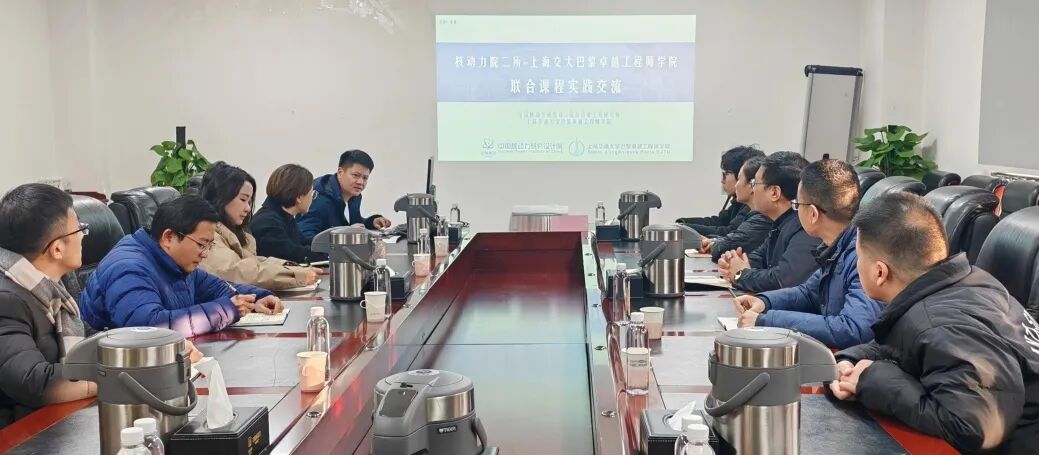
At the 2025 Project Capsule Course Exchange Meeting, Wang Liangzi, Director Assistant of NPIC Institute II, highly commended the collaborative value, stating that “Project Capsules” have become a benchmark for university-enterprise collaborative education, with multiple student achievements deeply integrated into NPIC's scientific research and production. During the exchange, multiple student teams presented on the “Large Model-Based Nuclear Domain Data Inflection Point Extraction System,” demonstrating solid professional expertise from architecture design and data cleansing to deployment optimization. During the live demonstration session, the team successfully ran the model at NPIC, extracting key information from nuclear safety reports in real time. Their precise and efficient performance earned unanimous praise from on-site experts.
02
Group Defense Showcases Distinctive Features, High-Level Review Determines Capabilities
The 2025 final defense featured separate categories for international students and Chinese students, with both groups showcasing their strengths and delivering outstanding presentations.
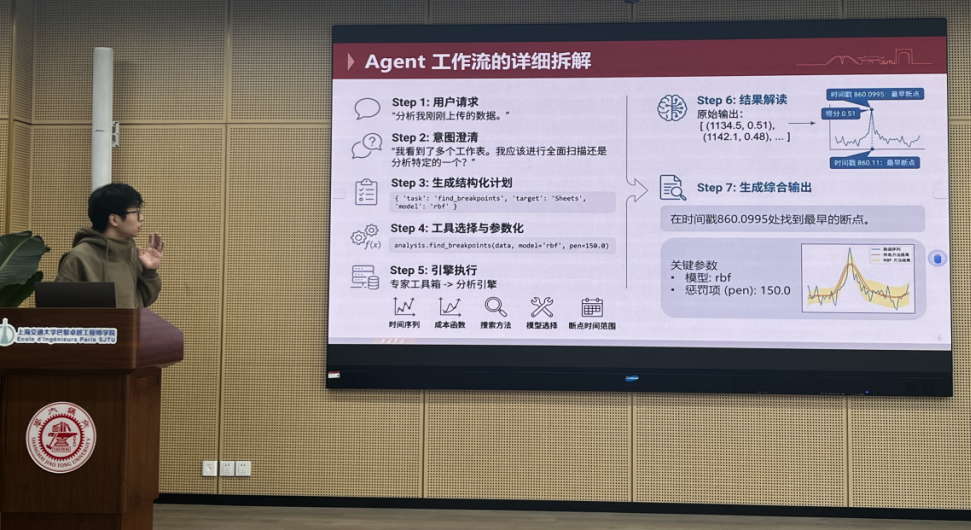
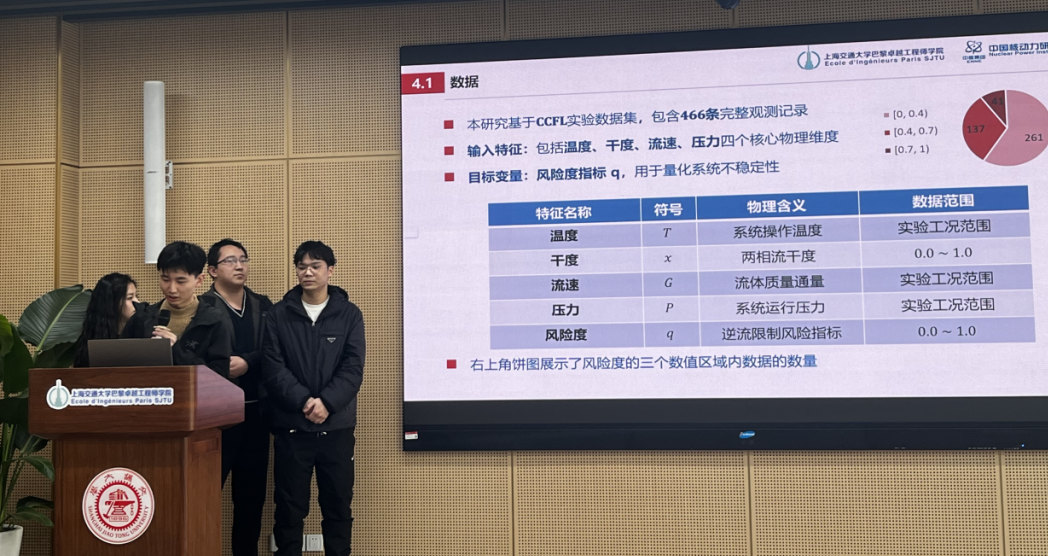
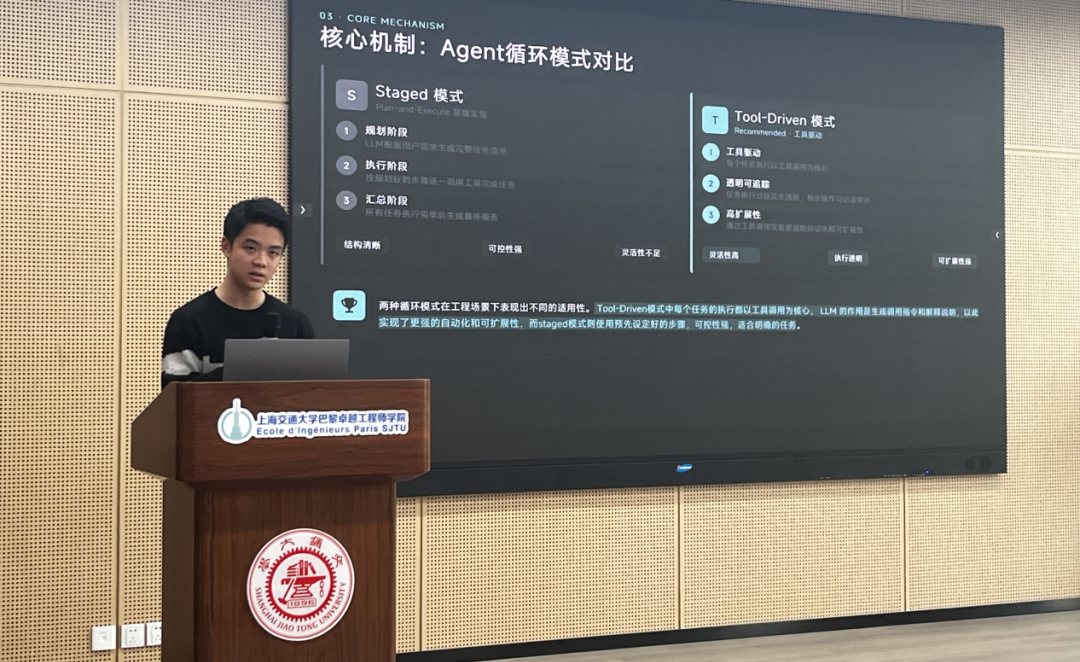
The Chinese student team grounded their research in engineering practice, deeply integrating AI algorithms with physical mechanisms. Their work precisely addressed multiple “pain points” and “challenges” in both nuclear power engineering and data analysis. In fundamental physics modeling, they achieved high-precision explicit expression extraction for the CCFL (Contra-Current Liquid Flow) phenomenon. For safety assurance, they significantly enhanced measurement accuracy and 100% alarm success rates under complex conditions for steam generator level measurement and DNB (Deterioration of Natural Boiling) monitoring. This was accomplished through a random forest model and a “white-box” algorithm based on EWMA logic. Furthermore, by establishing a standardized agent framework based on MCP Server and an experiment intelligent planning system driven by reinforcement learning, the team successfully increased operating condition switching efficiency by approximately 30%. This provides a practical and reproducible technical paradigm for “intelligent nuclear power.” These solutions align with industrial application scenarios, showcasing Chinese students' formidable capabilities in tackling complex systems engineering challenges.
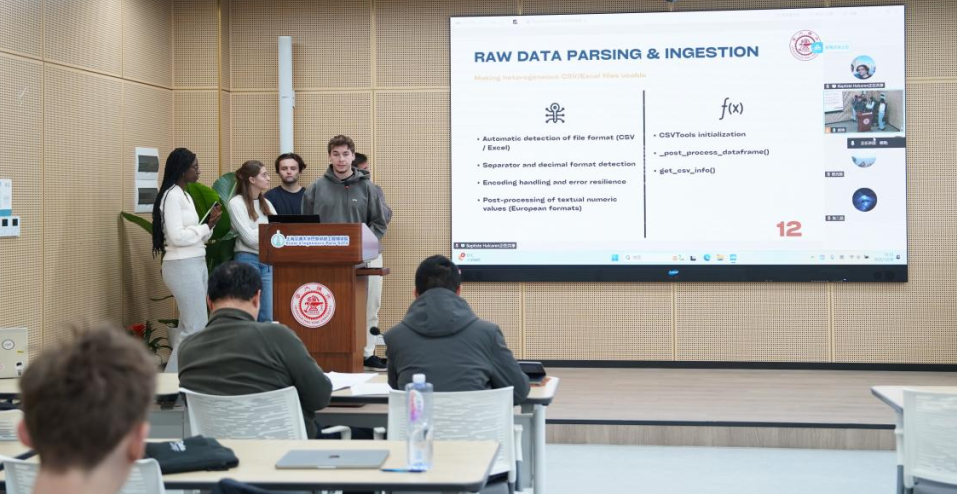
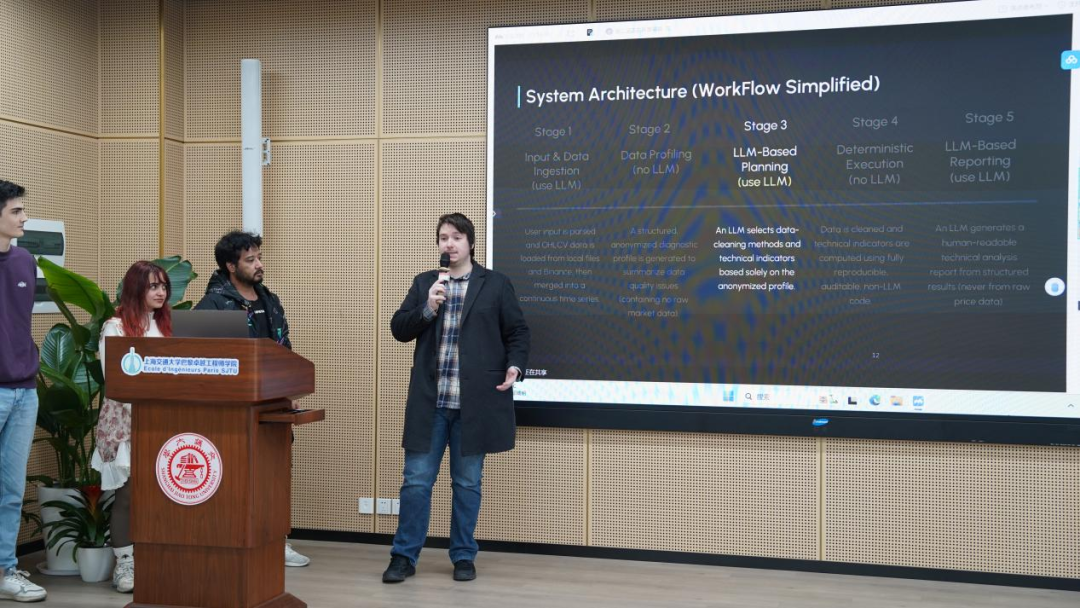
The international student team leveraged their global perspective to propose innovative approaches in multi-agent system architecture evolution and cross-cultural technology adaptation. Two research groups constructed highly automated collaborative agent systems using cutting-edge LLM frameworks like LangChain to address complex time-series data in finance and engineering domains. Through a clearly defined “multi-agent” matrix (encompassing scheduling, analysis, visualization, and interpretation agents), the students overcame LLM bottlenecks in understanding complex industrial data formats using sophisticated prompt engineering. This enabled a fully closed-loop process from data cleansing and automated charting to in-depth insight interpretation. The demonstrated logical rigor and cross-domain technical adaptability fully reflect the team's acute awareness of globally leading AI technologies and engineering innovation capabilities within a multicultural context.
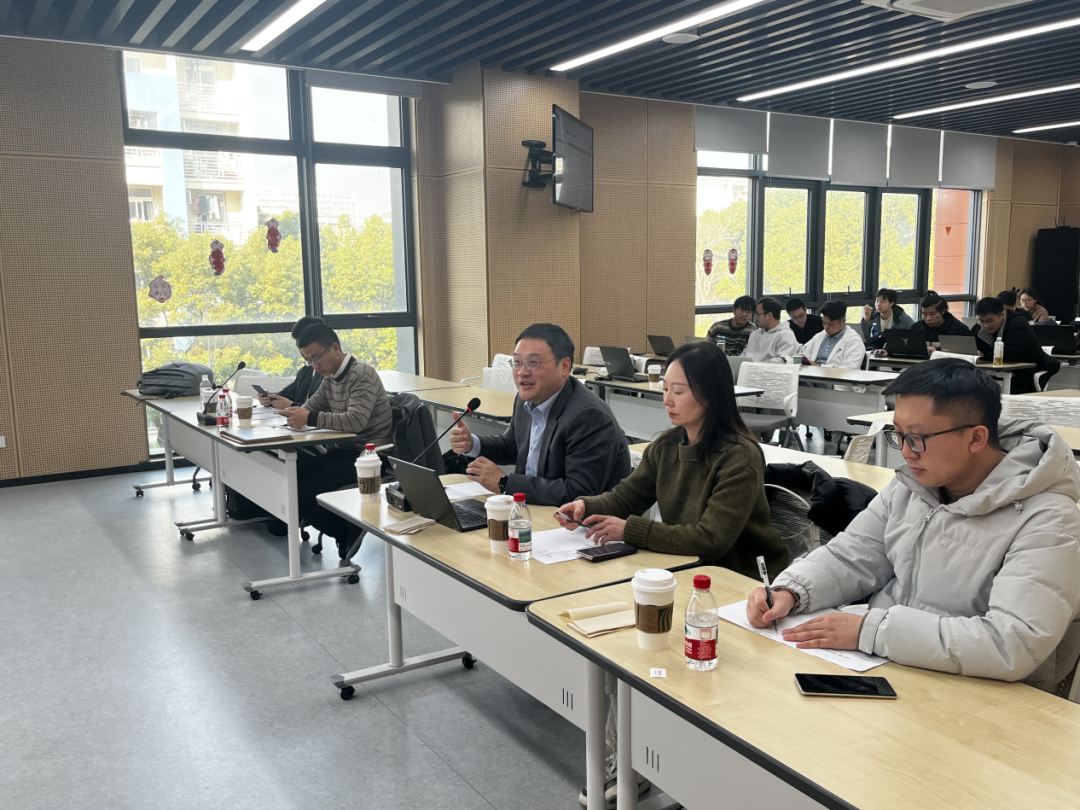
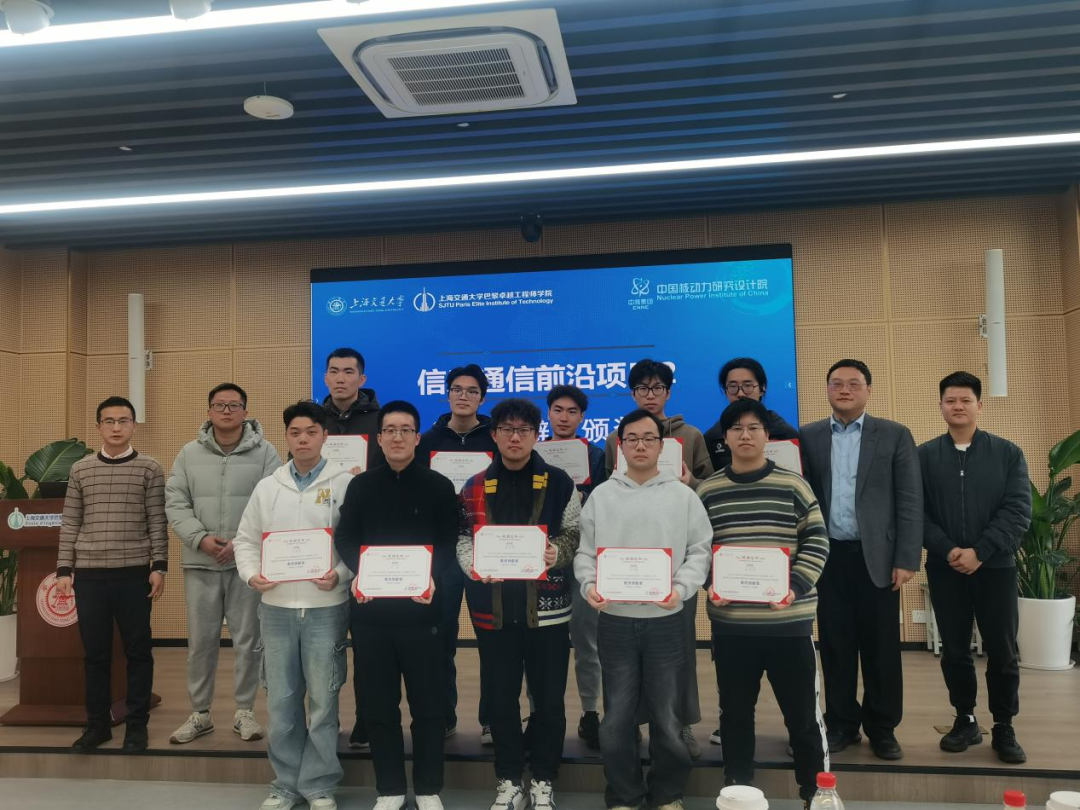
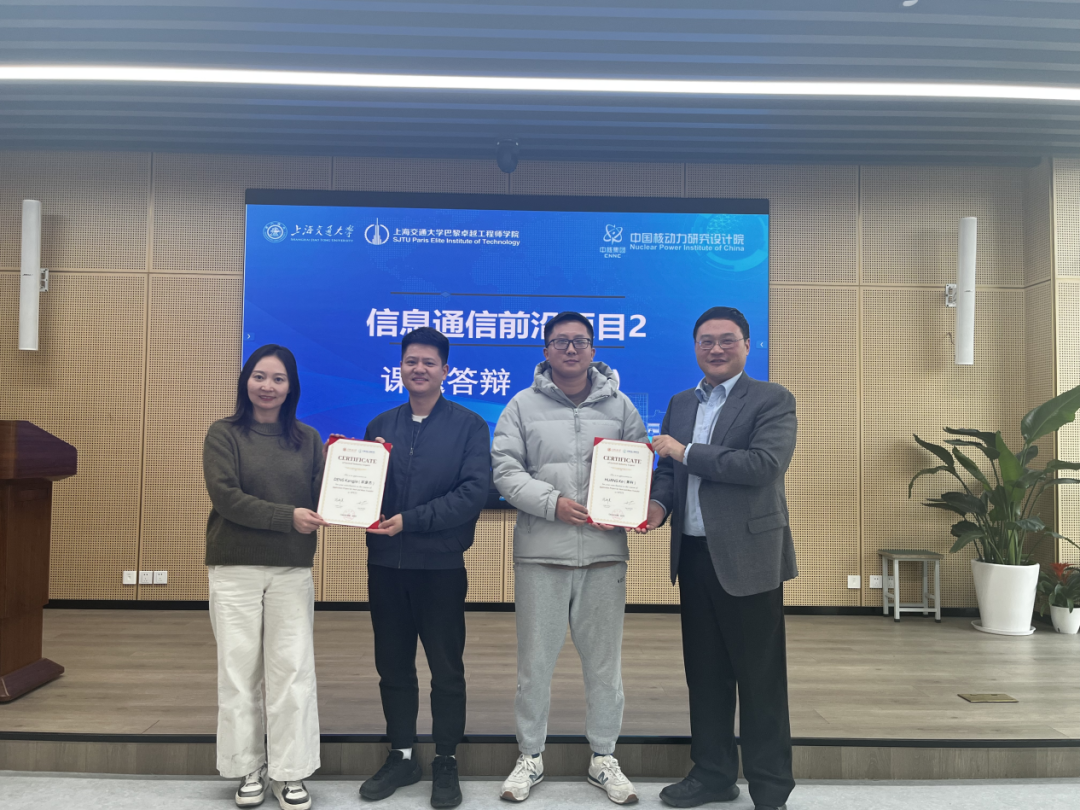
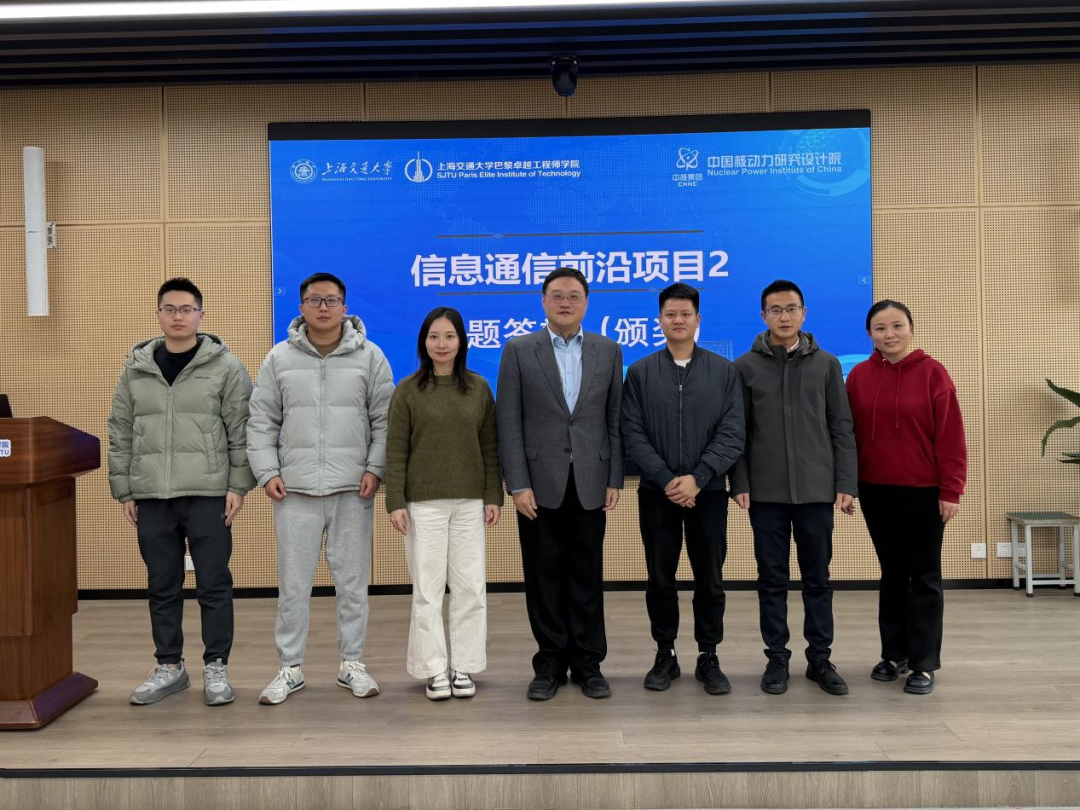
The defense panel featured a distinguished lineup comprising SPEIT leadership, core faculty members, Tencent technical experts, and NPIC industry specialists. They conducted rigorous evaluations across multiple dimensions—including professional depth, practical value, and innovative highlights—with both project groups receiving high recognition from both the university and industry partners, fully demonstrating the program's educational quality.
Following the final project defense, students were awarded the System Innovation Award, Academic Innovation Award, and Applied Innovation Award based on the outcomes of their respective projects.
Student Reflections
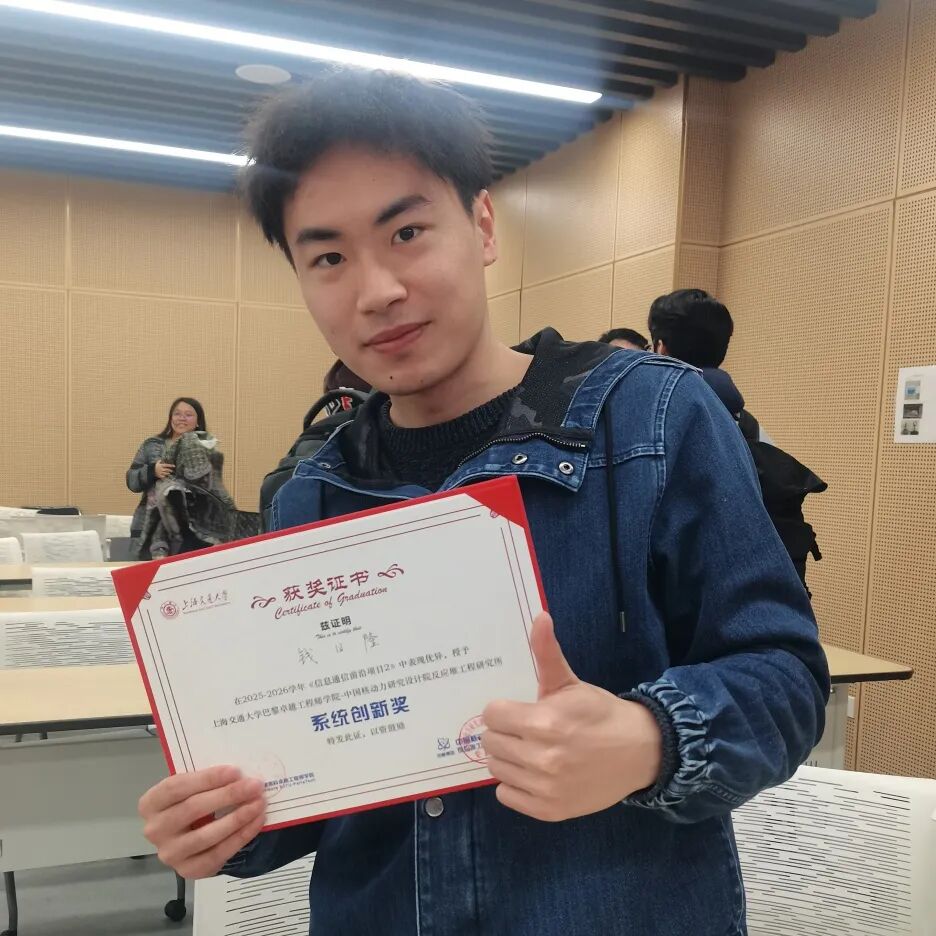
Qian Rilong
System Innovation Award
Throughout the course, the instructor consistently emphasized the importance of applying knowledge in real-world scenarios, which also taught us to approach problems systematically. Experts from NPIC engaged us in discussions using authentic mini-projects and datasets. Our team selected an AI-Agent-based engineering time-series data analysis system and had the opportunity to complete its local deployment at NPIC. We extend our gratitude to SPEIT and all mentors for providing such hands-on, frontline engineering projects and environments, enabling us to validate our ideas in real-world contexts. Throughout the process—from building backend agents and designing detection tools to developing frontend interfaces and final deployment integration—we experienced immense satisfaction as each step unlocked solutions. Our teamwork grew increasingly cohesive, and friendships among classmates deepened significantly.
Through the course project, I gained a profound appreciation for the importance of integrating theory with engineering applications. This hands-on learning experience focused on real-world implementation proved invaluable, deepening my understanding of AI Agent technology in engineering contexts while providing valuable cross-disciplinary collaboration experience and training in engineering thinking. It also offered deeper insights into translating research outcomes into practical engineering value. I extend my sincere gratitude to Professors Lu Jialiang and Gong Helin, as well as all experts at NPIC, for their dedicated guidance and support throughout the course project.

Miao Xiangyu
Applied Innovation Award
03
Enhancing Collaborative Quality and Upgrading Partnerships to Co-Create a New Chapter in Education
At the curriculum development symposium, SPEIT and NPIC reached consensus on topics including long-term cooperation mechanisms, joint graduate student supervision and corporate internship access. SPEIT and NPIC identified three key development priorities for the next phase:
01
Deepening Research
Establish a “Bachelor's Thesis + Graduate Coursework” integration model, leveraging the time available to undergraduates to ensure research depth, with graduate students continuing to advance projects, forming a sustainable research chain.
02
Expanding Reach
Take the lead in organizing industry-education integration seminars and initiate the establishment of an industry-education integration platform alliance to attract more universities to participate. Launch the “Project Capsule” competition to solicit engineering problem solutions across multiple disciplines and fields.
03
Enhancing Quality
Encourage students to transform research outcomes into intellectual property such as papers, patents, and software copyrights. Collaborate with other universities to pursue national and provincial-level awards for industry-education integration, enhancing the impact of partnerships.
Lu Jialiang, Vice Dean of SPEIT, stated: “The ‘Project Capsule’ course vividly combines the French engineering education tradition with deep university-industry collaboration. We bring the classroom to major project sites, enabling students to hone real skills through real-world challenges.”
Wang Liangzi and Li Huaying praised SPEIT students highly: “With solid expertise, outstanding innovation, and excellent qualities, they have become a key talent pipeline for NPIC. We look forward to deepening collaboration across broader fields and at greater depth to jointly cultivate more outstanding engineers.”
From the classroom to the front lines of engineering, from theory to practical implementation, the “Project Capsule” program jointly developed by SPEIT and NPIC employs an innovative model to address the pain points of industry-education integration. Its fruitful outcomes demonstrate the value of collaborative talent development. Moving forward, SPEIT and NPIC will continue to deepen their cooperation, cultivating more high-caliber engineering professionals to advance high-level scientific and technological self-reliance and self-strengthening, thereby writing a new chapter in university-enterprise collaborative education.