








SJTU·SPEIT
On June 18, the 3rd Sino–France Future Industry Cooperation Forum, themed “Shaping a New Vision for Future Industries and Building a New Industrial Ecosystem Together,” was held in Nanjing. The forum was jointly organized by the International Economic and Technical Cooperation Center of the Ministry of Industry and Information Technology (MIIT) and the Nanjing Investment Promotion Bureau, and hosted by the Electronics Information Industry Sub-Council of the China Council for the Promotion of International Trade and the Alliance Industrie du Futur.
Professor Chen Cailian, Chinese Dean of the SJTU Paris Elite Institute of Technology (SPEIT), was invited to participate in the forum’s “Deans’ Dialogue” session. Together with experts from Beihang University, Nanjing University of Science and Technology, Nanjing Normal University, and Nanjing University, she engaged in in-depth discussions on topics including how China–France cooperation in science and education can empower the development of future industrial ecosystems. The exchange further strengthened channels for China–France collaboration in education and research while contributing to the cultivation of internationally minded talent for future industries.
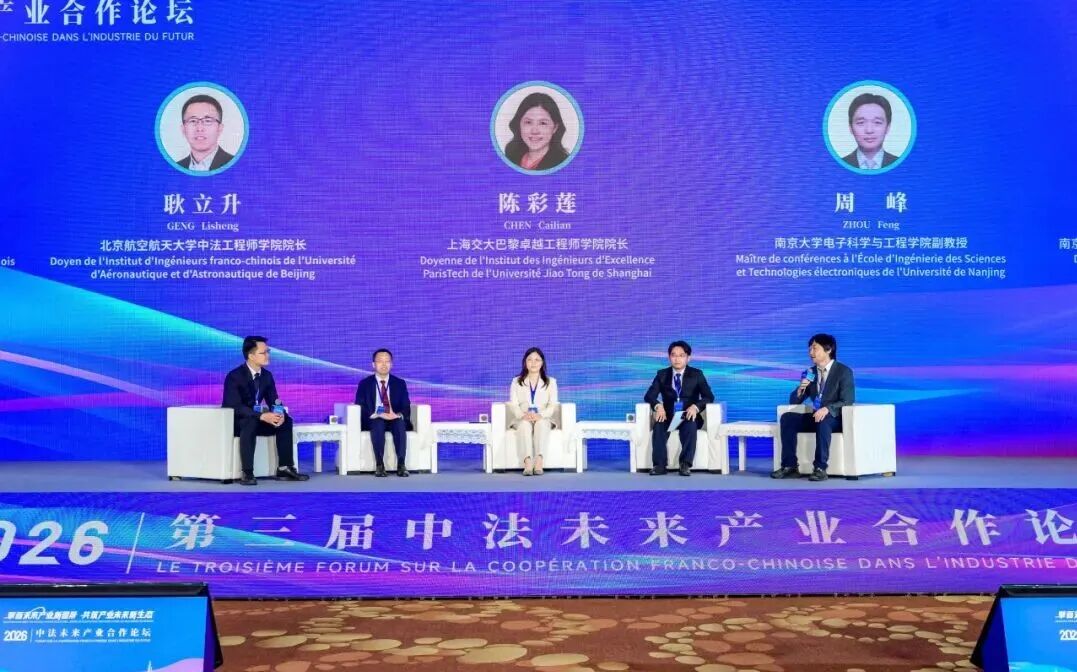

▲ Dean Chen Cailian Participates in the “Deans’ Dialogue” Session of the 3rd China–France Future Industry Cooperation Forum
During the forum, Chen Cailian shared that, as a key platform for China–France cooperation in higher engineering education, SPEIT’s industry–academia–research collaboration is evolving from the 1.0 stage, characterized by project-based and periodic cooperation, toward a 2.0 stage marked by integrated talent development pathways, deeper industrial engagement, and more systematic collaboration models.

▲ An Industry–Academia–Research Ecosystem Integrating Campus, Innovation Park, and Urban Development (AI-generated illustration)
Today, the Institute is actively integrating into China’s national innovation system and building an industry–academia–research ecosystem that deeply connects the campus, industrial parks, and urban development zones. From serving as a platform for the cultivation of outstanding engineers, SPEIT is progressively evolving into a collaborative hub linking universities, enterprises, cities, and international innovation stakeholders.
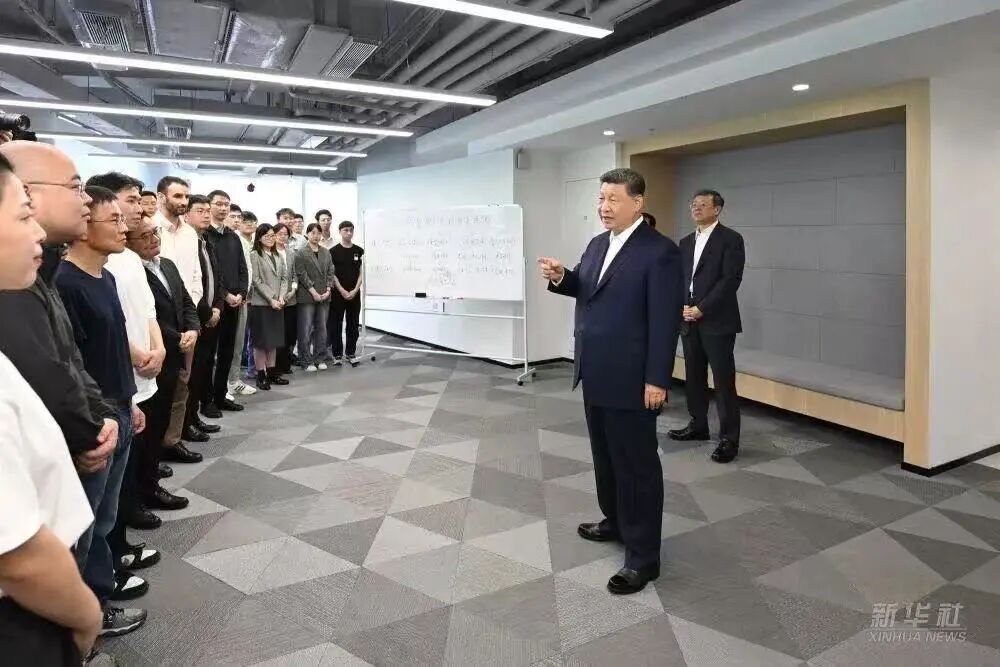
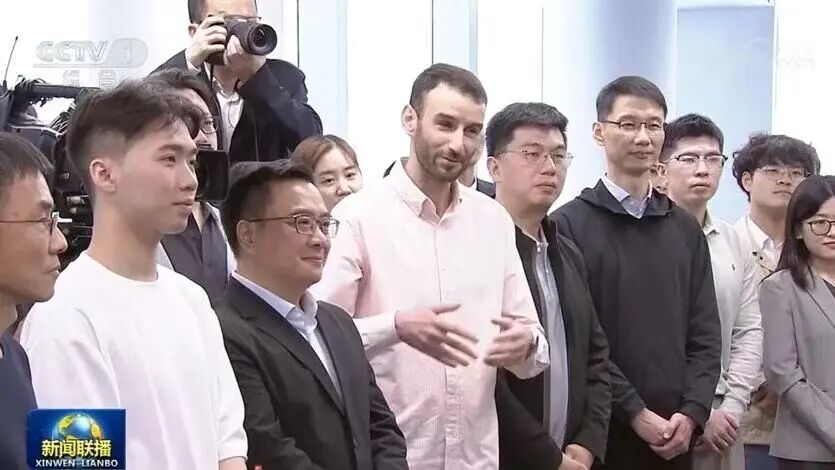
▲ On April 29, 2025, President Xi Jinping visited “Model Speed Space” (Mosu Space) in Xuhui District, Shanghai, where he met with young innovators. SPEIT faculty member Hamza BOUKILI was the only foreign representative present.
On the one hand, the Institute actively connects with innovation resources in France and across Europe. It is exploring initiatives such as a China–France joint Proof-of-Concept (PoC) Fund and the establishment of a dedicated China Center at Station F, the renowned startup campus in Paris. These initiatives aim to identify and nurture cutting-edge technologies with transformative industrial potential, facilitate the implementation of high-quality projects in Shanghai’s Grand NeoBay and across the Yangtze River Delta region, and support Chinese technology enterprises in connecting with European markets, regulatory frameworks, and industrial resources.
On the other hand, the Institute actively supports international talent pursuing innovation and entrepreneurship in China. For example, SPEIT faculty member Hamza BOUKILI has developed an AI-powered energy conservation and emissions reduction project and founded a technology company in Shanghai. His work earned recognition during President Xi Jinping’s visit, illustrating the two-way value of China–France cooperative education in both “bringing in” international resources and “going global.”

▲ Selected Industry Partners of the Institute
The Institute’s network of industry–academia–research partners continues to expand. SPEIT has now established partnerships with more than 50 leading domestic and international enterprises, forming a collaborative network spanning sectors such as aerospace, intelligent manufacturing and autonomous driving, embodied intelligence, internet and cloud computing, industrial software, electronics and electrical engineering, sustainable energy, chemicals, and advanced materials.
These partnerships provide strong support for the Institute’s distinctive talent development model, which combines engineering expertise with trilingual competence. The Institute has achieved a 100% graduate employment rate, with graduates joining leading companies and institutions in key sectors including computer science and information technology, scientific research, manufacturing and new energy, finance, and management.

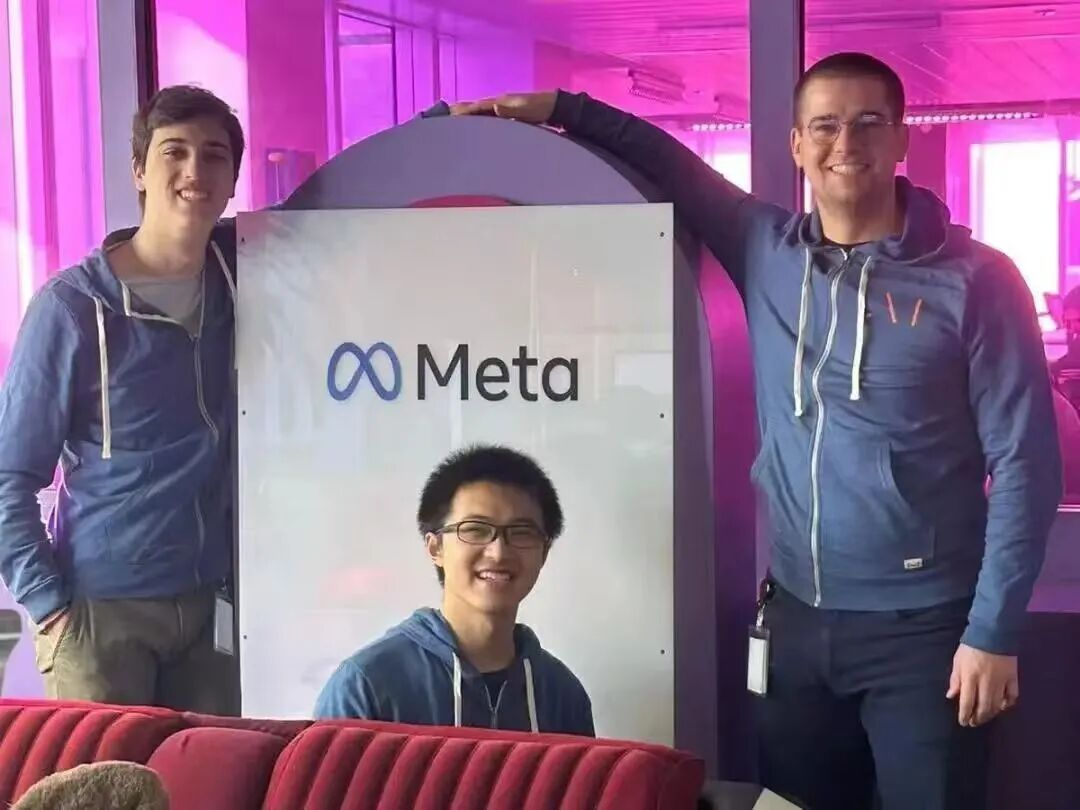
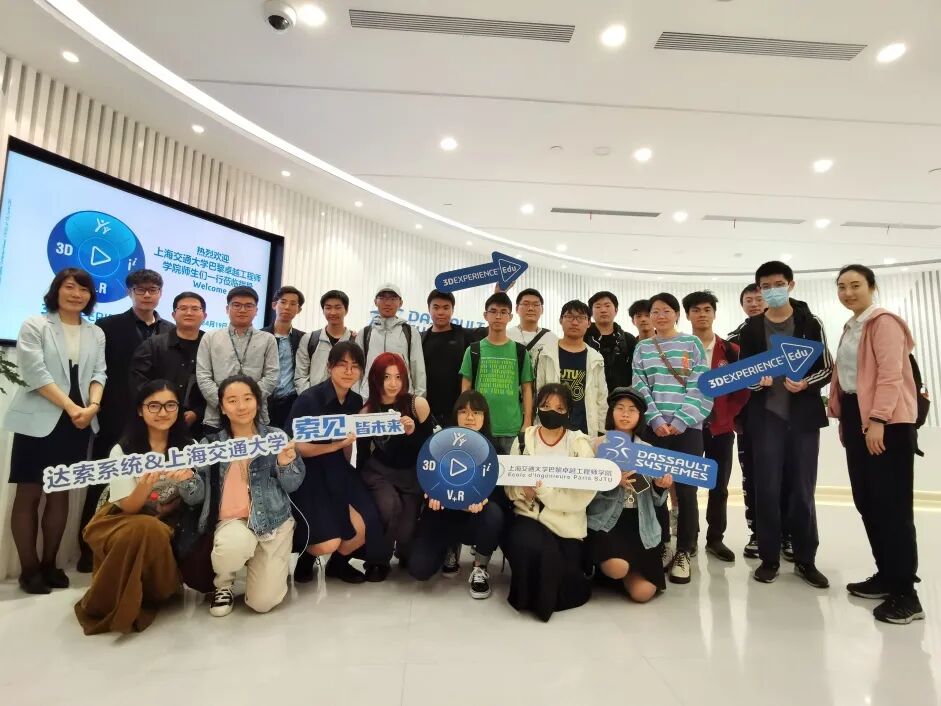

▲ Students Participating in Industry Practice Activities
Looking ahead, SPEIT will continue building a collaborative innovation hub for future-oriented engineering education. The Institute plans to further develop student innovation centers, university–industry joint laboratories, research commercialization platforms, engineering practice platforms, and international collaboration platforms. Through the creation of interdisciplinary research zones, university–industry innovation spaces, and student innovation and practice areas, SPEIT aims to advance industry–academia–research collaboration toward a deeper and more advanced 2.0 era, ensuring that engineering education remains closely connected to industry needs and future development.